
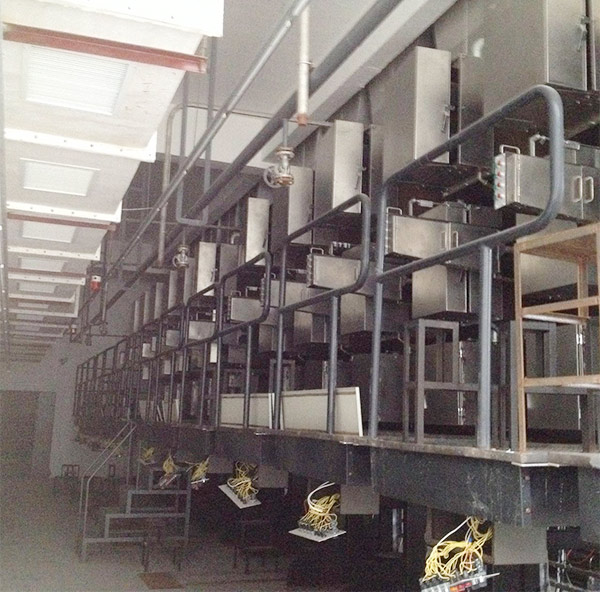
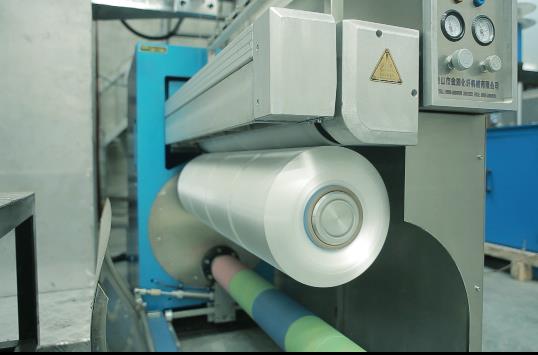
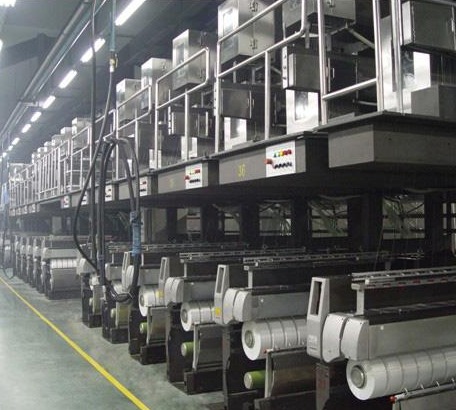
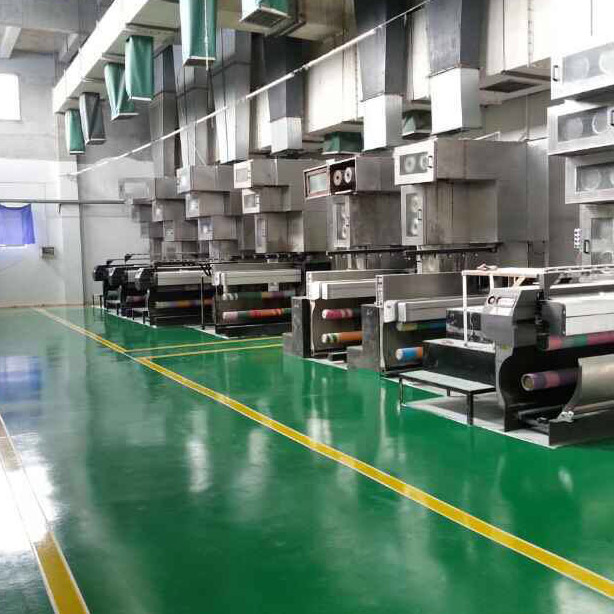
- Polypropylene spinning machine
- Polypropylene FDY equipment
- Polyester POY spinning machine
- Polyamide FDY common and high strength equipment
- Polyester FDY equipment
- Polyester high strength equipment
- polyester、Polyamide、 Polypropylene BCF equipment
- Small spinning machine
- All kinds of spinning special parts
- When selecting polypropylene spinning machines, the first step is not to focus on the configuration, but to match the machine to the specific application.
- The textile industry chain has been steadily recovering, and market orders have steadily rebounded.
- Fubang Chemical Fiber Machinery Reminder | Excessive rainfall and high humidity bring many risks! Tips for maintaining and operating moisture-proof equipment for chemical fiber spinning please keep in mind!
- The 2026 China International Textile Yarn (Autumn-Winter) Exhibition (YarnExpo) has grandly opened.
- Understand the manufacturing secrets of polypropylene spinning machines

- Contact:Mr. Huang Guofu
- Cel:0086-13901505556
- Fax:0086-519-83341119
- Email:czfb5556@126.com
- Add:No. 288-8 ChangLi Rd, Huangli Town, Changzhou, JS PRV.
Textile Information | Oil market structure reshapes + New fiber industry enters a growth phase. How can textile enterprises achieve steady progress?
Release date: [2026/5/15]
Read total of [177] times
In April, as the production pace of domestic textile enterprises steadily accelerated, the replenishment demands of downstream weaving and garment manufacturing enterprises were concentratedly released. Coupled with the steady recovery of the domestic demand market, the demand for imported raw materials such as high-end fabrics and special yarns soared significantly. The high growth of import data fully confirmed the continuous recovery of the production vitality of the domestic textile industry and the increasingly full operation of the upstream and downstream of the industrial chain. Compared with finished garments, textile intermediate products such as yarns and fabrics have mature technical processes and complete supply chain support, which are suitable for the procurement needs of textile weaving and manufacturing enterprises in many countries around the world.
International oil prices have exceeded 100, putting pressure on industry costs.
As of May 11, 2026, the price of WTI crude oil once again surpassed the $100 per barrel mark. Geopolitical tensions and concerns over global crude oil supply continue to escalate, causing significant cost impacts on the textile and apparel industry. As petroleum is the core upstream raw material for chemical fibers, an increase in its price will directly push up the purchase costs of chemical fiber raw materials such as polyester and nylon. And chemical fiber raw materials are the core raw materials in textile production, and price fluctuations will quickly spread throughout the entire industry chain.
At the same time, the increase in oil prices has also led to a simultaneous rise in costs for all stages of the process, including weaving, dyeing and processing, as well as goods transportation. This has further squeezed the profit margins of textile and clothing enterprises. Currently, small and medium-sized enterprises in the industry are generally facing difficulties in cost control, and the pressure to make profits continues to increase, becoming the core factor restricting the recovery of industry profits.
Overall, in April 2026, China's textile and apparel exports demonstrated strong overall resilience. The structural pattern of intermediate products strengthening while finished products weakening was clearly evident. Textile exports continued to grow steadily, and domestic raw material imports showed an improvement. This laid a solid foundation for the industry's stable operation. However, high fluctuations in international oil prices, weak recovery in overseas terminal consumption, and intensified competition in the low-end market will remain key variables affecting the industry's operation in the second quarter and the second half of the year.
In the future, the industry will continue to undergo transformation and upgrading amid fluctuations in costs and market adjustments. The product innovation capabilities, cost control capabilities, and global market adaptation capabilities of enterprises will become the core competitiveness for navigating industry cycles and achieving long-term development.
The United Arab Emirates' withdrawal from OPEC has reshaped the oil market.
The United Arab Emirates has officially withdrawn from the Organization of the Petroleum Exporting Countries (OPEC), completely breaking free from the long-standing production quota restrictions and initiating a new model of free oil production and independent pricing for its crude oil exports. This withdrawal from the organization was not an impulsive decision driven by short-term market speculation, but rather a necessary outcome based on the UAE's long-term capacity contradictions and its alignment with its own development strategy. The core objective is to fully unleash its low-cost and high-quality domestic production capacity and to aggressively seize global crude oil market share.
Compared with traditional oil-producing countries, the crude oil of the United Arab Emirates has core competitive advantages such as low extraction costs, stable quality, and flexible transportation. After withdrawing from OPEC, its vast amount of low-cost crude oil continuously flooded into the global market. This not only broke the original international crude oil pricing system but also, through the entire industrial chain, had a profound impact on the textile and chemical fiber industries that rely on crude oil as a core raw material. This move directly broke the international crude oil pricing system long controlled by OPEC, causing the international crude oil prices to fluctuate and weaken, and bringing phased cost benefits to downstream industries such as chemicals, chemical fibers, and textiles that are related to crude oil.
Domestic chemical fibers have weakened, easing the pressure on textile enterprises.
Driven by the weak and fluctuating trend of international oil prices, the domestic prices of chemical fiber raw materials have continued to decline. The quotations for mainstream textile raw materials such as polyester filament, short fiber, and polyester chips have steadily dropped, effectively alleviating the long-term operational difficulties faced by domestic textile enterprises, including high raw material costs, heavy energy consumption pressure, and narrow profit margins.
For weaving, home textile, and garment processing enterprises, the decline in raw material prices has significantly reduced inventory costs and effectively alleviated the production and stock preparation pressure on the enterprises. As the traditional textile season approaches in the second half of the year, enterprises can flexibly adjust product prices and accurately seize market orders, significantly enhancing their operational flexibility.
Traditional fibers are experiencing a decline in demand, while new fibers are seeing an increase in popularity.
In 2026, the textile industry is shifting from being driven by scale to being driven by innovation. New materials and fibers have become the core engines for industry upgrading. The industry is closely following the trends of greenness, functionality, intelligence, and high value. The costs of traditional fibers are under pressure, while the demand for new fibers has soared. Leading enterprises are leading the way with technology, while small and medium-sized manufacturers are accelerating their transformation. The new materials sector has become the core growth pole of the industry.
In the first quarter of 2026, the traditional textile fiber market showed a differentiated trend of "cotton being strong while polyester being weak".
Under the dual impetus of the "dual carbon" policy and consumption upgrading, the demand for bio-based, recycled and functional fibers has experienced explosive growth. Data shows that the market size of new textile materials in China is expected to exceed 450 billion yuan by 2026, with a compound annual growth rate of over 12%, and the proportion of green and environmentally friendly materials will increase to over 35%. New fibers have continuously improved their premium pricing capabilities due to their technological barriers and performance advantages. For example, the price of bio-based PLA fibers is 30%-50% higher than that of ordinary polyester, and graphene functional fibers have a premium increase of over 80%. The Xinfang City market feedback indicates that downstream brand customers have significantly increased their acceptance of new materials and are willing to pay premiums for environmental protection and functional attributes, promoting the reconfiguration of the industrial chain value from "processing and manufacturing" to "material research + brand operation" in both directions.
【Declaration】The content and template of this article are collected from the internet and are copyrighted by the original authors. If there is any infringement, please notify promptly and contact for deletion.
Changzhou Fubon Chemical Fiber Machinery Factory Technical production: Polypropylene spinning machine, polypropylene FDY spinning machine, polypropylene FDY equipment, polyester POY spinning machine, polyester POY production line, polyester POY equipment, polyester POY machinery, polyester recycled bottle FDY spinning machine, polyester FDY spinning machine, polyester FDY machinery, Spandex spinning machine, spinning special parts, polyester small Experimental machine, polypropylene small experimental machine, nylon small experimental machine.
Changzhou Fubon Chemical Fiber Machinery Factory Technical is a research and development and production of all kinds of chemical fiber machinery as the main professional manufacturing suppliers, research, development, production and sales as one, in order to meet the market demand, our factory has established a perfect chemical fiber spinning experimental base, to provide customers with good equipment and technical services. We mainly provide customers with complete sets of polyester, polypropylene, nylon, spandex and other chemical fiber complete sets of equipment, and undertake a variety of related equipment renovation projects and customized services.
Related products
Latest news
- The textile industry chain has been steadily recovering, and market orders have steadily r
- When selecting polypropylene spinning machines, the first step is not to focus on the conf
- Fubang Chemical Fiber Machinery Reminder | Excessive rainfall and high humidity bring many
- The 2026 China International Textile Yarn (Autumn-Winter) Exhibition (YarnExpo) has grandl
- Understand the manufacturing secrets of polypropylene spinning machines
- The 2026 Textile Weaving Industry Product Innovation Seminar and New Product Exchange Resu
- Polypropylene spinning machine systematic solution: Precise control from melt extrusion to
- How to choose a polypropylene spinning machine? From production capacity, fineness to equi
- The 2026 China Cotton Textile Industry Association Raw Materials Industry Chain Branch Con
- How are polypropylene filament produced? Unveiling the spinning principle of the polypropy