
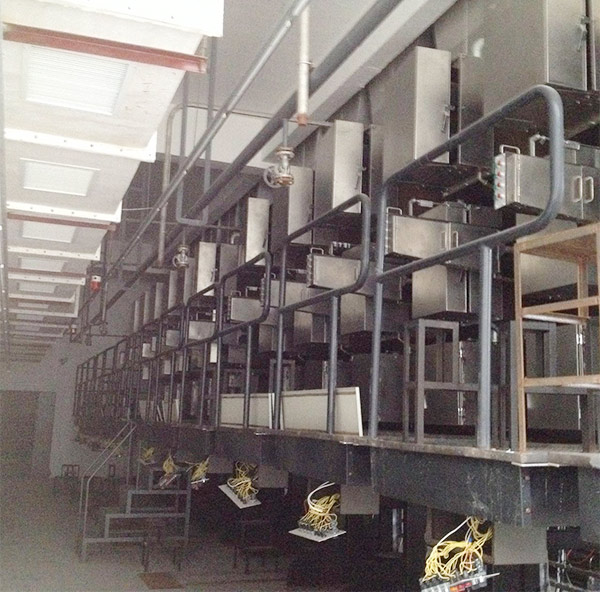
- Polypropylene spinning machine
- Polypropylene FDY equipment
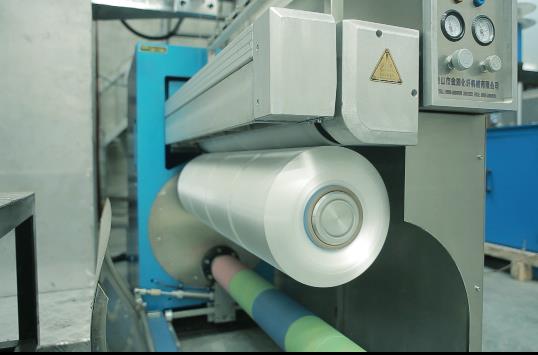
- Polyester POY spinning machine
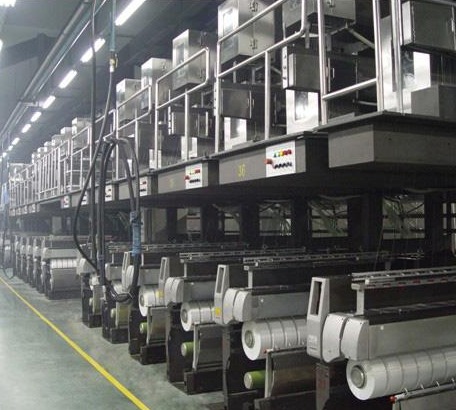
- Polyamide FDY common and high strength equipment
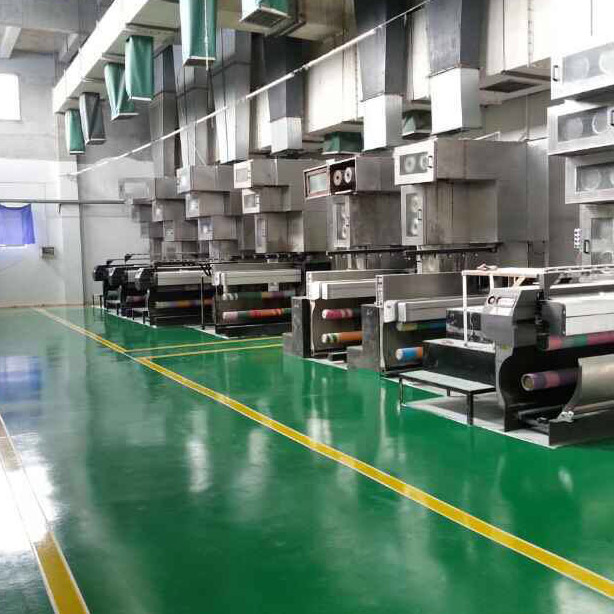
- Polyester FDY equipment
- Polyester high strength equipment
- polyester、Polyamide、 Polypropylene BCF equipment
- Small spinning machine
- All kinds of spinning special parts
- From the slicing process to the silk cake, what exactly did the polypropylene Puqiang FDY spinning machine go through?
- The 2026 Shanghai Autumn Yarn Expo, a yarn exhibition, concluded officially at the National Exhibition Center.
- The quality improvement and standard promotion conference for the sewing equipment industry was held in Taizhou.
- The acrylic polypropylene spinning machine frequently jams the filament? Let's look for the reasons from the temperature and the equipment ends.
- Passing down the craftsmanship, unforgettable gratitude for the teacher | With dedication to craftsmanship, we express our respect for teachers. Fubon Chemical Fiber Machinery wishes all teachers a happy holiday!

- Contact:Mr. Huang Guofu
- Cel:0086-13901505556
- Fax:0086-519-83341119
- Email:czfb5556@126.com
- Add:No. 288-8 ChangLi Rd, Huangli Town, Changzhou, JS PRV.
The green barriers in textile trade continue to escalate.
Release date: [2026/4/8]
Read total of [193] times
Recently, the European Union and the United Kingdom have successively introduced significant environmental protection regulations in the textile and clothing sector. Two "green barriers" have been tightened simultaneously, directly impacting the survival and development of China's textile export enterprises. The EU's ban on destroying unsold textiles and the UK's implementation of the Extended Producer Responsibility (EPR) plan mark the entry of environmental protection supervision in the European and American markets into a new stage. Enterprises can only quickly adapt to the regulatory requirements to safeguard their overseas market share.
EU ban on destruction, UK EPR, dual regulation is coming
The two policies have their own focuses, but both revolve around "green environmental protection and full life-cycle responsibility", and set clear compliance requirements for export enterprises. The European Union relies on the "Sustainable Product Eco-design Regulation" (ESPR), completely prohibiting enterprises from randomly destroying unsold clothing, accessories, and footwear products. Large enterprises must implement this from July 2026, medium-sized enterprises have a transitional period until 2030, and small enterprises are temporarily exempted. At the same time, enterprises are required to record the disposal of inventory details and report them on time, completely eradicating the industry's stubborn problem of "destroying unsold products".
The UK has launched a textile EPR program, requiring brands, importers, etc. to bear the responsibility for the recycling and processing of products throughout their entire life cycle. The fees are charged based on product units rather than weight, and are linked to the durability and recyclability of the products. The policy covers mainstream textiles such as clothing and shoes. Although small and medium-sized enterprises have a one-year grace period, they do not have the right to a fee exemption, and the export cost will significantly increase.
Textile export enterprises are facing three major challenges.
After the new policy was implemented, the operational pressure of China's textile export enterprises has significantly increased, with the core pain points concentrated in three aspects. First, the disposal of inventory is restricted. The previous model of reducing storage and maintaining brand image by destroying unsold products no longer works. The costs for reselling, refurbishing, and donating unsold products have increased, and the asset impairment risk of inventory accumulation has risen. Second, the export costs have structurally increased. The EPR fees in the UK, compliance declaration costs, and product green transformation costs have further weakened the price advantage of China's textiles. Third, the compliance threshold has risen. The EU requires full-chain data traceability, and the UK requires products to conform to green standards. Small and medium-sized enterprises lacking digital management capabilities find it difficult to adapt.
Note: The content and template of this article are collected from the internet and are copyrighted by the original authors. If there is any infringement, please notify us promptly and we will delete it.
Related products
Latest news
- The 2026 Shanghai Autumn Yarn Expo, a yarn exhibition, concluded officially at the Nationa
- From the slicing process to the silk cake, what exactly did the polypropylene Puqiang FDY
- The quality improvement and standard promotion conference for the sewing equipment industr
- The acrylic polypropylene spinning machine frequently jams the filament? Let's look for th
- Passing down the craftsmanship, unforgettable gratitude for the teacher | With dedication
- The textile industry chain has been steadily recovering, and market orders have steadily r
- When selecting polypropylene spinning machines, the first step is not to focus on the conf
- Fubang Chemical Fiber Machinery Reminder | Excessive rainfall and high humidity bring many
- The 2026 China International Textile Yarn (Autumn-Winter) Exhibition (YarnExpo) has grandl
- Understand the manufacturing secrets of polypropylene spinning machines