
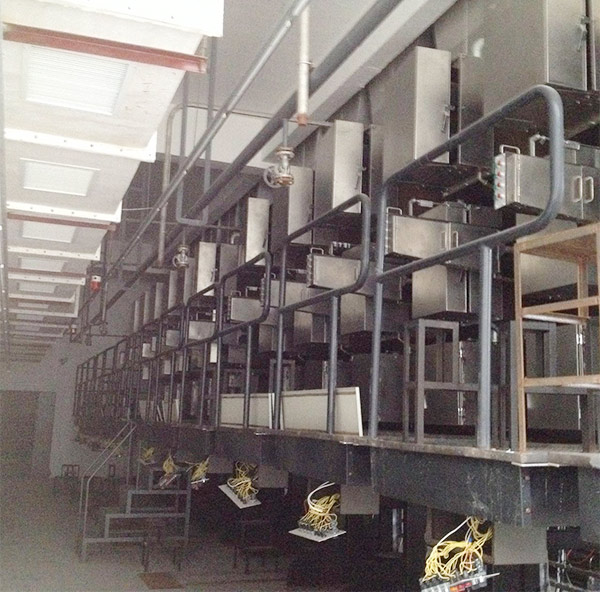
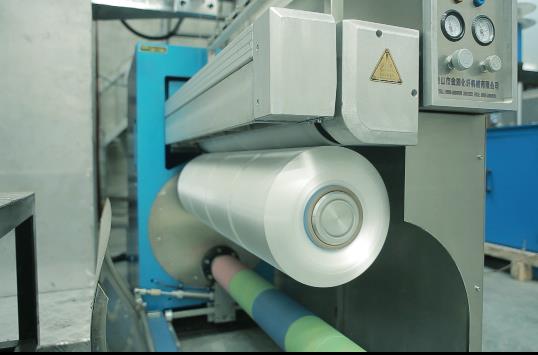
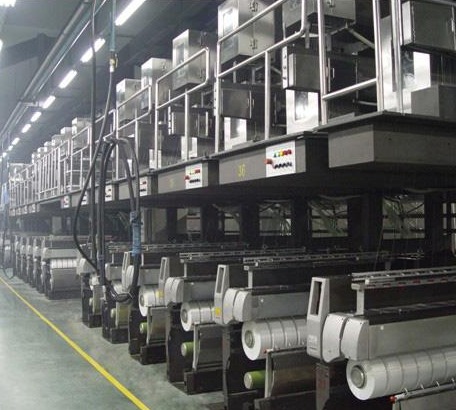
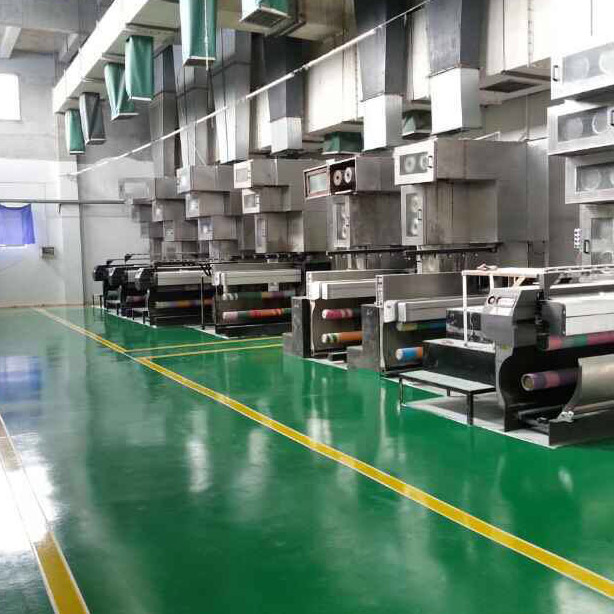
- Polypropylene spinning machine
- Polypropylene FDY equipment
- Polyester POY spinning machine
- Polyamide FDY common and high strength equipment
- Polyester FDY equipment
- Polyester high strength equipment
- polyester、Polyamide、 Polypropylene BCF equipment
- Small spinning machine
- All kinds of spinning special parts
- Painting depicts the prosperous times, calligraphy writes the magnificent chapters | Changzhou Fubang Chemical Fiber Machinery Factory wishes our motherland enjoy favorable weather and abundant resources, and the people live in peace and prosperity!
- Mountains and rivers remain unharmed, the moon is full and people are as they always are | Fubon Chemical Fiber Machinery wishes you a joyful Mid-Autumn Festival—may the full moon reflect your smile and warmth fill your heart!
- The 2026 Shanghai Autumn Yarn Expo, a yarn exhibition, concluded officially at the National Exhibition Center.
- From the slicing process to the silk cake, what exactly did the polypropylene Puqiang FDY spinning machine go through?
- The quality improvement and standard promotion conference for the sewing equipment industry was held in Taizhou.
- The acrylic polypropylene spinning machine frequently jams the filament? Let's look for the reasons from the temperature and the equipment ends.

- Contact:Mr. Huang Guofu
- Cel:0086-13901505556
- Fax:0086-519-83341119
- Email:czfb5556@126.com
- Add:No. 288-8 ChangLi Rd, Huangli Town, Changzhou, JS PRV.
Vietnam focuses on developing priority industrial sectors
Release date: [2020/8/21]
Read total of [1091] times
According to a report from Vietnam's "Industry and Trade Electronic News" on August 18, the Ministry of Industry and Trade stated that Vietnam's industry has achieved strong development in recent years, but the added value of products is still very low. When assessing the impact of the new crown epidemic on Vietnam's industry, it is clear that the biggest weakness of the Vietnamese economy. The processing and manufacturing industries are weak in internal power, relying heavily on foreign supply chains, raw and auxiliary materials cannot be autonomous, and there are few industrial enterprises. There are only 80,000 processing and manufacturing enterprises in Vietnam, and their financial capabilities and technical levels are limited.
According to a report from the Ministry of Industry and Trade of Vietnam, Vietnam's telephone and electronics industries imported US$40 billion in electronic components in 2019, of which US$16.8 billion were imported from South Korea, US$13.8 billion from China, and US$1.7 billion from Japan. Imports of textiles, clothing and leather footwear industries: various types of cotton US$2.47 billion, yarns US$2.3 billion, cloth US$12.69 billion and other textile and leather shoe accessories US$5.61 billion, of which US$2.02 billion is imported from Korea and US$710 million in other raw materials Accessories. The auto assembly industry imported US$4 billion in spare parts, of which US$700 million was imported from China, US$1.14 billion from South Korea, and US$720 million from Japan.
At present, the domestic added value of the two main export products of Vietnam's textile and apparel and electronic products is still very low, 50% and 37% respectively.
In order to continue to implement the government’s task of restructuring the economic structure in the industry and trade field, the Ministry of Industry and Trade of Vietnam will continue to effectively implement the "2020, looking forward to 2030, the industry and trade economic structure restructuring program and action plan for the realization of industrialization, modernization and sustainable development" "The Ministry of Industry and Trade of Vietnam will focus on areas with potential and advantages that enable Vietnamese industries to create higher added value, such as automobiles, textiles and footwear, electronics, minerals, and supporting industries.
The Ministry of Industry and Trade of Vietnam stated that it is necessary to coordinate the resources from the central to the local level and concentrate on the investment and development of industrial projects, especially supporting industries and important basic raw material industries (hot rolled steel, cloth, dyeing and finishing, new materials, etc.) to overcome Dependence on imported raw materials and spare parts. Strengthen preferential policies, support high-quality investment, and attract manufacturing (including the production of parts and accessories) from China and other countries to invest in Vietnam.
The Ministry of Industry and Trade of Vietnam will formulate an action plan to implement Resolution 23/NQ-TW, and a plan for the economic restructuring of the industry and trade sector from 2021 to 2030, and submit it to the Prime Minister in 2020.
Related products
Latest news
- Painting depicts the prosperous times, calligraphy writes the magnificent chapters | Chang
- Mountains and rivers remain unharmed, the moon is full and people are as they always are |
- The 2026 Shanghai Autumn Yarn Expo, a yarn exhibition, concluded officially at the Nationa
- From the slicing process to the silk cake, what exactly did the polypropylene Puqiang FDY
- The quality improvement and standard promotion conference for the sewing equipment industr
- The acrylic polypropylene spinning machine frequently jams the filament? Let's look for th
- Passing down the craftsmanship, unforgettable gratitude for the teacher | With dedication
- The textile industry chain has been steadily recovering, and market orders have steadily r
- When selecting polypropylene spinning machines, the first step is not to focus on the conf
- Fubang Chemical Fiber Machinery Reminder | Excessive rainfall and high humidity bring many