
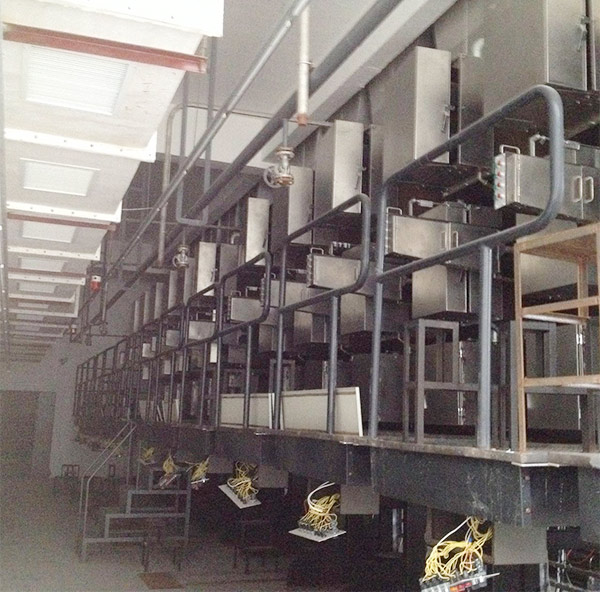
- Polypropylene spinning machine
- Polypropylene FDY equipment
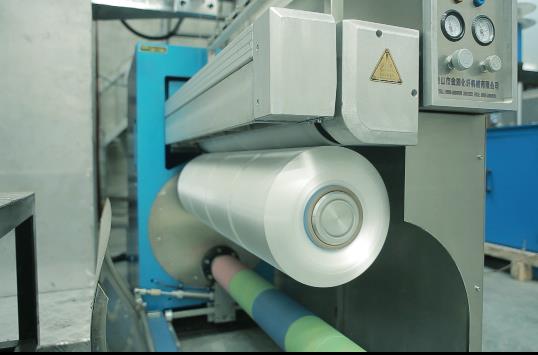
- Polyester POY spinning machine
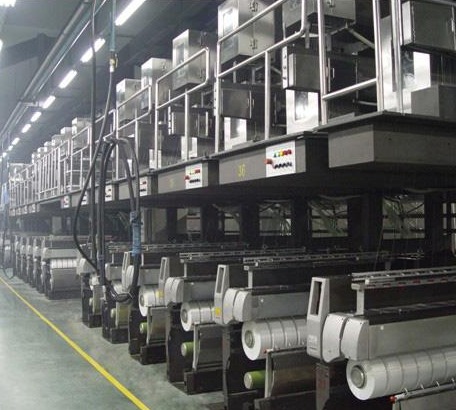
- Polyamide FDY common and high strength equipment
- Polyester FDY equipment
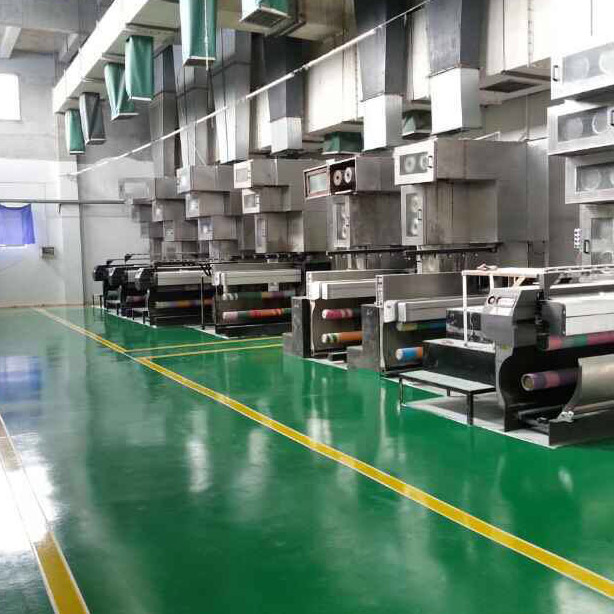
- Polyester high strength equipment
- polyester、Polyamide、 Polypropylene BCF equipment
- Small spinning machine
- All kinds of spinning special parts
- From the slicing process to the silk cake, what exactly did the polypropylene Puqiang FDY spinning machine go through?
- The 2026 Shanghai Autumn Yarn Expo, a yarn exhibition, concluded officially at the National Exhibition Center.
- The quality improvement and standard promotion conference for the sewing equipment industry was held in Taizhou.
- The acrylic polypropylene spinning machine frequently jams the filament? Let's look for the reasons from the temperature and the equipment ends.
- Passing down the craftsmanship, unforgettable gratitude for the teacher | With dedication to craftsmanship, we express our respect for teachers. Fubon Chemical Fiber Machinery wishes all teachers a happy holiday!

- Contact:Mr. Huang Guofu
- Cel:0086-13901505556
- Fax:0086-519-83341119
- Email:czfb5556@126.com
- Add:No. 288-8 ChangLi Rd, Huangli Town, Changzhou, JS PRV.
Raw materials are running short, no rice to cook with? Just as the regional ceasefire is in effect, crude oil prices have plummeted, and the textile industry is facing a double upheaval
Release date: [2026/4/14]
Read total of [188] times
Entering 2026, the global textile procurement landscape is undergoing a disruptive reconfiguration - the traditional definition of "low cost" has been completely rewritten. Tariff barriers, geopolitics, supply chain stability and market access thresholds have replaced merely the artificial price as the core criteria for international brands and purchasers when choosing locations. The advantages of established procurement hubs are acceleratingly eroding, while emerging hubs are rapidly rising with the help of policy benefits and supply chain resilience. The latest ranking of the top ten global textile procurement countries for 2026 clearly outlines this transformation trajectory. Surprisingly, two markets that were once highly anticipated, Ethiopia and Indonesia, have unexpectedly dropped off the list, reflecting the deep fissure in the global textile procurement logic.
2026 Global Textile Procurement Landscape: Cost and Trade Reconfiguration
Over the past decade, textile procurement has always been centered around "the lowest labor cost". Countries like Bangladesh and Cambodia, with monthly wages of around 100 yuan per person, have become the core of global contract manufacturing. But in 2026, this logic was completely overturned - the proportion of explicit labor costs continued to decline, and implicit comprehensive costs became the key factor in decision-making. The cost accounting of purchasers now covers the entire chain of raw materials, logistics, tariffs, compliance, and risk premiums.
From the perspective of labor costs, the traditional advantage of low prices in the market is shrinking: Although the average monthly wage in Bangladesh remains around 140 US dollars, the minimum wage has been increasing year after year, and worker strikes and low efficiency have led to an increase in hidden costs; in Vietnam, the labor cost is approximately 328 US dollars per month, having risen by more than 80% compared to ten years ago, but due to supply chain efficiency and customs clearance convenience, the overall cost has become more competitive. More fatal is the reliance on raw materials - 90% of the fabric and accessory materials in Bangladesh and Cambodia are imported. Coupled with the Red Sea crisis, which has caused shipping costs to soar by three times and shipping cycles to extend by 20-30 days, the combination of "low labor costs + high logistics costs + raw material premiums" completely offsets the labor advantage.
Meanwhile, tariffs have become a significant variable in terms of cost. The United States imposed a punitive tariff of 36% on certain textile and clothing categories, while the EU implemented the carbon border tax and the digital passport for textiles. These measures have led to a sharp increase in export costs. Countries like China and Vietnam, which enjoy tariff reductions under free trade agreements, while India and Pakistan, which are facing high tariffs due to trade disputes, have seen a further widening of the cost gap. Additionally, the conflict in the Middle East led to the "Hormuz shock", with the supply of chemical fiber raw materials (MEG, PTA) being disrupted and prices soaring. This has put pressure on the procurement costs of countries that rely heavily on Middle Eastern raw materials, completely reversing their overall cost advantages.
Will the drop in crude oil prices open up an opportunity for textile enterprises to replenish their inventories? The window of opportunity has arrived.
On the early morning of April 8th local time, the Supreme National Security Council of Iran officially issued a statement. Following the advice of the Supreme Leader and with the approval of the council, it decided to accept the ceasefire proposal put forward by Pakistan. Almost simultaneously, Iranian Foreign Minister Ali Akbar Salehi announced that the Strait of Hormuz would be open for safe navigation within the next two weeks. Meanwhile, the US side also sent out signals of compromise. President Trump of the US expressed through social media that he had received the relevant suggestions proposed by Iran and agreed to suspend the bombing attacks against Iran for two weeks. This series of intensive statements instantly changed the tense situation in the Middle East's geopolitics and injected a "calming agent" into the global energy market that had been shaken for several days. It is worth noting that French President Macron said on the same day that about 15 countries were coordinating to reopen the Strait of Hormuz to facilitate the resumption of navigation.
The energy market reversal offers textile enterprises a breathing space.
The announcement of the ceasefire promptly triggered a sharp market reversal. On April 8th, the price of May-delivery light crude oil futures on the New York Mercantile Exchange dropped by as much as 19.4% at one point, reaching a low of $91.03 per barrel. The price of Brent crude oil futures in London also fell by 16%, reaching $91.7 per barrel. Although there was a slight rebound later, it remained in a range of around $95 per barrel. The cooling of the energy market directly affected the downstream industries. The price of PTA futures dropped sharply, falling below 6,400 points, ending the previous continuous upward trend, and giving textile enterprises, which had been troubled by raw material price hikes, a breathing space. However, most of the thousands of ships (including 187 oil tankers) stranded in the Hormuz Strait on that day were still in a state of waiting and observing, and only a few ships passed through smoothly. The global major container shipping group Maersk also clearly stated that it would not resume the previously suspended routes in the Hormuz Strait, highlighting the cautious attitude of the market towards navigation safety.
The behind-the-scenes power struggles and the current situation still remain uncertain.
However, whether this sudden ceasefire and peace talks represent the dawn of peace or merely a strategic delay tactic by both sides remains to be carefully observed. Judging from the statements made by both sides, the differences remain significant: Iran's core demands cover the permanent cessation of war, the end of regional conflicts, the formulation of a security passage agreement for the Strait of Hormuz, post-war reconstruction, and the lifting of sanctions, etc. These provisions almost touch upon the core interests of the United States and Israel. Even if the US indicates its acceptance of the suggestions, it is difficult for them to fully accept them. Even choosing to compromise selectively poses considerable difficulties. What is more noteworthy is that the Strait of Hormuz, as an important strategic asset in Iran's hands, even if it promises safe passage within two weeks, is likely to adopt a cautious attitude - the Islamic Revolutionary Guard Corps of Iran has published a safety passage map, warning ships to avoid the main channel where anti-ship mines may exist and to follow the designated alternative route. This shows that they have not completely relaxed control and are still on guard against a sudden attack by the US military.
Textile enterprises are experiencing a rare window of opportunity for replenishing their inventories.
Although the long-term trend of the situation in the Middle East remains uncertain, in the short term, the significant drop in crude oil prices is undoubtedly a timely relief for textile enterprises that are deeply troubled by raw material shortages. Previously, driven by the continuous rise in crude oil prices, the prices of textile raw materials such as polyester fibers had been rising steadily. Many small and medium-sized textile enterprises were in a desperate situation due to running out of raw material inventory and were unable to start production because of the excessively high raw material costs. Even if they had orders, they could not start work due to the inability to bear the high costs. However, the cooling of oil prices brought about by the ceasefire between the United States and Iran, combined with the decline in the price of PTA futures, has precisely provided a rare window period for textile enterprises to replenish their inventories. In line with the inventory management principles of the textile industry, replenishing stocks moderately at this time can not only alleviate the short-term shortage of raw materials but also reduce procurement costs by taking advantage of the price decline, providing a guarantee for subsequent production.
Disclaimer: The content and templates in this article are compiled from the internet. Copyright belongs to the original author. Please inform us immediately if there is any infringement, and we will contact you for deletion.
Changzhou Fubon Chemical Fiber Machinery Factory Technical production: Polypropylene spinning machine, polypropylene FDY spinning machine, polypropylene FDY equipment, polyester POY spinning machine, polyester POY production line, polyester POY equipment, polyester POY machinery, polyester recycled bottle FDY spinning machine, polyester FDY spinning machine, polyester FDY machinery, Spandex spinning machine, spinning special parts, polyester small Experimental machine, polypropylene small experimental machine, nylon small experimental machine.
Changzhou Fubon Chemical Fiber Machinery Factory Technical is a research and development and production of all kinds of chemical fiber machinery as the main professional manufacturing suppliers, research, development, production and sales as one, in order to meet the market demand, our factory has established a perfect chemical fiber spinning experimental base, to provide customers with good equipment and technical services. We mainly provide customers with complete sets of polyester, polypropylene, nylon, spandex and other chemical fiber complete sets of equipment, and undertake a variety of related equipment renovation projects and customized services.
Related products
Latest news
- The 2026 Shanghai Autumn Yarn Expo, a yarn exhibition, concluded officially at the Nationa
- From the slicing process to the silk cake, what exactly did the polypropylene Puqiang FDY
- The quality improvement and standard promotion conference for the sewing equipment industr
- The acrylic polypropylene spinning machine frequently jams the filament? Let's look for th
- Passing down the craftsmanship, unforgettable gratitude for the teacher | With dedication
- The textile industry chain has been steadily recovering, and market orders have steadily r
- When selecting polypropylene spinning machines, the first step is not to focus on the conf
- Fubang Chemical Fiber Machinery Reminder | Excessive rainfall and high humidity bring many
- The 2026 China International Textile Yarn (Autumn-Winter) Exhibition (YarnExpo) has grandl
- Understand the manufacturing secrets of polypropylene spinning machines