
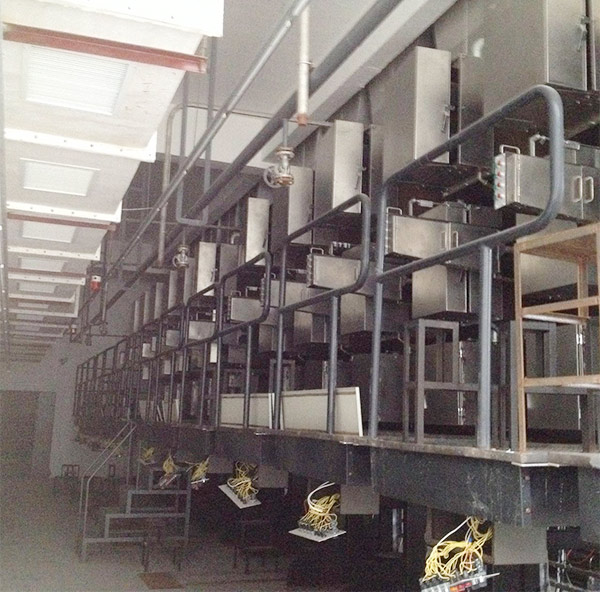
- Polypropylene spinning machine
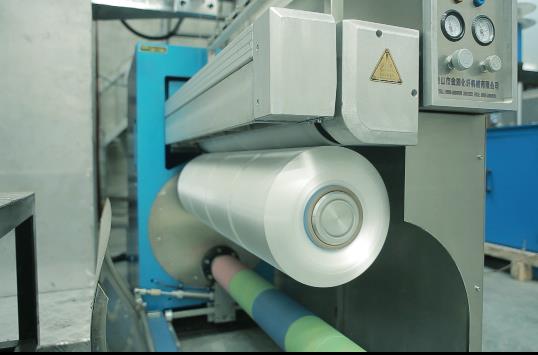
- Polypropylene FDY equipment
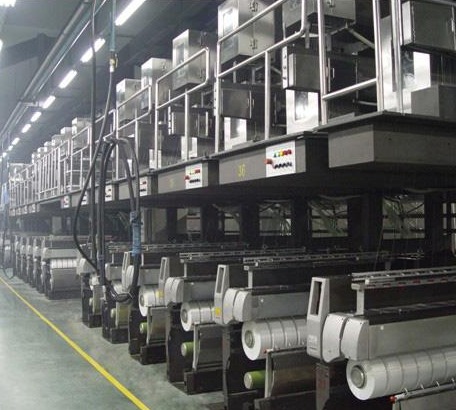
- Polyester POY spinning machine
- Polyamide FDY common and high strength equipment
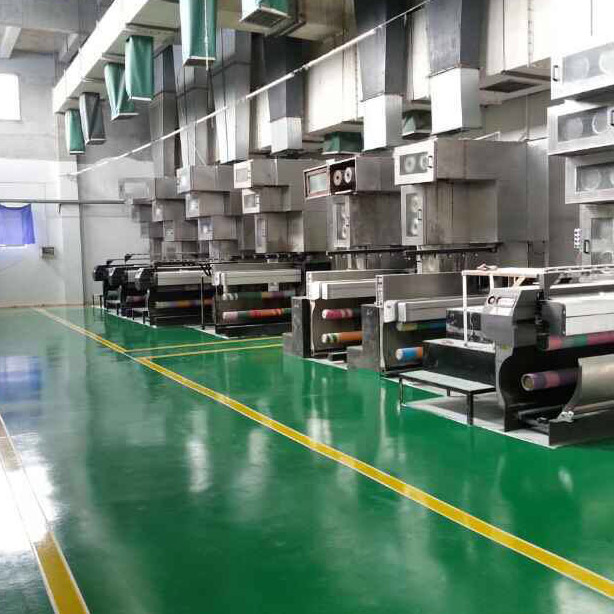
- Polyester FDY equipment
- Polyester high strength equipment
- polyester、Polyamide、 Polypropylene BCF equipment
- Small spinning machine
- All kinds of spinning special parts
- From the slicing process to the silk cake, what exactly did the polypropylene Puqiang FDY spinning machine go through?
- The 2026 Shanghai Autumn Yarn Expo, a yarn exhibition, concluded officially at the National Exhibition Center.
- The quality improvement and standard promotion conference for the sewing equipment industry was held in Taizhou.
- The acrylic polypropylene spinning machine frequently jams the filament? Let's look for the reasons from the temperature and the equipment ends.
- Passing down the craftsmanship, unforgettable gratitude for the teacher | With dedication to craftsmanship, we express our respect for teachers. Fubon Chemical Fiber Machinery wishes all teachers a happy holiday!

- Contact:Mr. Huang Guofu
- Cel:0086-13901505556
- Fax:0086-519-83341119
- Email:czfb5556@126.com
- Add:No. 288-8 ChangLi Rd, Huangli Town, Changzhou, JS PRV.
The Textile City has activated new driving forces for the textile industry's human resources through intelligent manufacturing.
Release date: [2026/3/24]
Read total of [251] times
The textile industry, as a traditional pillar industry in China, shoulders the dual responsibilities of promoting the coordinated development of the industrial chain and providing employment for the people. In the past, "difficulty in recruiting workers and retaining workers" became a prominent pain point that hindered the development of the industry. Problems such as a shortage of workers in the workshop, high turnover rate of front-line employees, and a shortage of technical talents have constrained the large-scale development and high-quality transformation of textile enterprises. Nowadays, with the acceleration of intelligent upgrading in the industry, the improvement of the employment guarantee system, and the joint efforts of regional cooperation, more and more textile enterprises have overcome the employment difficulties and achieved a fundamental transformation from "difficulty in retaining workers" to "stable employment".
Multiple factors combined have made "difficulty in retaining employees" a common pain point in the industry.
The "difficulty in retaining employees" in the textile industry is not an isolated case; it is a result of the industry's development stage and multiple factors combined. According to data from the National Bureau of Statistics, as of December 2024, the number of people employed in the textile industry had dropped from the historical peak of 6.52 million in 2008 to 2.489 million, with a shortage of 670,000 workers across the industry. The average age of weavers has risen to 48.6 years, and the proportion of 90s-born workers is less than 5%, while only 0.7% of 00s-born job seekers are willing to enter this industry. The problem of labor shortage is particularly prominent.
Looking back, traditional textile workshops' noise, dust pollution, and long working hours with frequent shifts have deterred young people who seek comfort and flexibility. Many people would rather choose industries like delivery and courier services than enter textile factories. At the same time, issues such as insufficient salary competitiveness, narrow career development paths, and incomplete guarantee systems have further exacerbated employee turnover. Even if some enterprises offer a monthly salary of 12,000 yuan, it is still difficult to retain core talents. Moreover, during the process of industry intelligent transformation, traditional operators find it difficult to adapt to the operation requirements of intelligent equipment, while there is a shortage of talents for emerging positions such as intelligent manufacturing engineers, resulting in an awkward situation where "old employees cannot be retained and new ones cannot be recruited".
The pain points force changes, and demands drive upgrades. Facing the employment crisis, the textile industry has taken actions from multiple dimensions such as its own transformation, regional policy support, and industry ecological optimization, and has embarked on a transformation path to solve the employment problem and achieve stable employment, making "stable employment" a declaration of the high-quality development of the industry.
Note: The content and template of this article are collected from the internet and are copyrighted by the original authors. If there is any infringement, please notify promptly and contact for deletion.
Related products
Latest news
- The 2026 Shanghai Autumn Yarn Expo, a yarn exhibition, concluded officially at the Nationa
- From the slicing process to the silk cake, what exactly did the polypropylene Puqiang FDY
- The quality improvement and standard promotion conference for the sewing equipment industr
- The acrylic polypropylene spinning machine frequently jams the filament? Let's look for th
- Passing down the craftsmanship, unforgettable gratitude for the teacher | With dedication
- The textile industry chain has been steadily recovering, and market orders have steadily r
- When selecting polypropylene spinning machines, the first step is not to focus on the conf
- Fubang Chemical Fiber Machinery Reminder | Excessive rainfall and high humidity bring many
- The 2026 China International Textile Yarn (Autumn-Winter) Exhibition (YarnExpo) has grandl
- Understand the manufacturing secrets of polypropylene spinning machines