
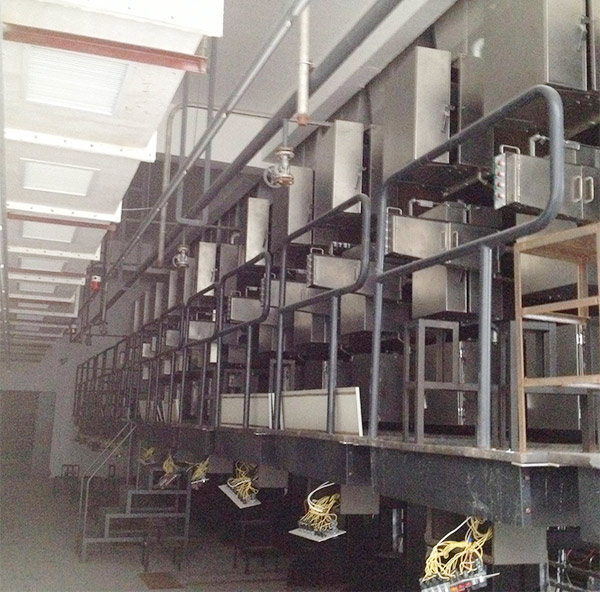
- Polypropylene spinning machine
- Polypropylene FDY equipment
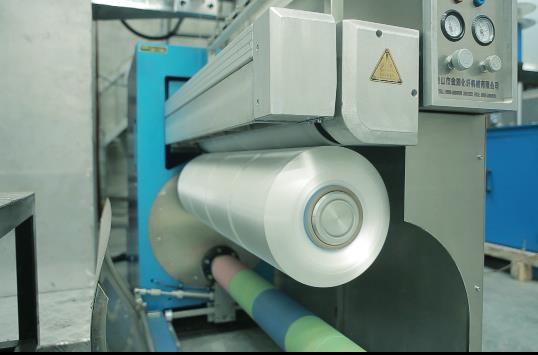
- Polyester POY spinning machine
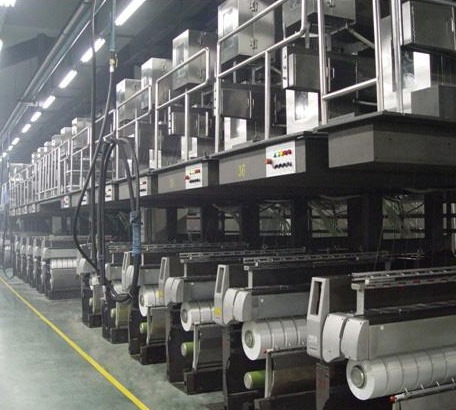
- Polyamide FDY common and high strength equipment
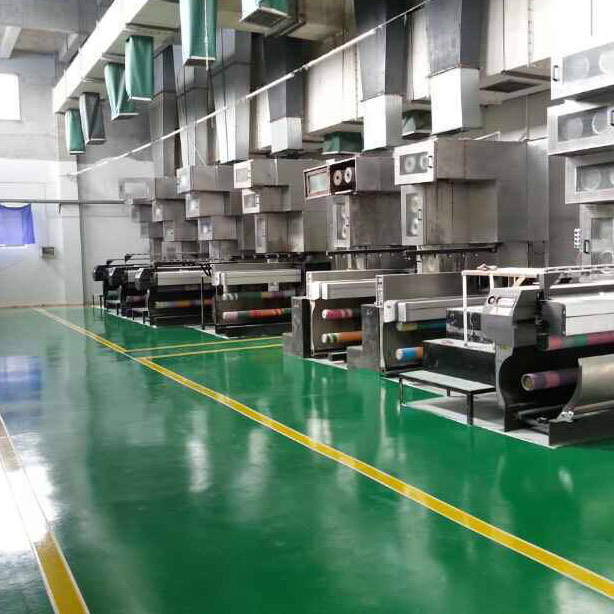
- Polyester FDY equipment
- Polyester high strength equipment
- polyester、Polyamide、 Polypropylene BCF equipment
- Small spinning machine
- All kinds of spinning special parts
- Ice and Fire - Raw Material Price Surge Hits, Printing and Dyeing Under Pressure! The Maternity and Pet Fabric Market Breaks Through Against the Odds!
- The 27th Third Special Meeting of the Council of the China Textile Engineering Society was held in Wuhan.
- Handling of filament blocking faults in polypropylene spinning machines and key points for daily operation and maintenance
- Manager's Must-Know | Management is not more effective through greater complexity: Simplify and streamline, shift from hierarchical control to efficient empowerment
- The third member assembly of the Shaoxing Textile Industry Association and the modern textile industry chain connection meeting were successfully held.
- Iteration of polypropylene FDY spinning machine equipment: Process stability, temperature control accuracy and selection logic

- Contact:Mr. Huang Guofu
- Cel:0086-13901505556
- Fax:0086-519-83341119
- Email:czfb5556@126.com
- Add:No. 288-8 ChangLi Rd, Huangli Town, Changzhou, JS PRV.
Ice and Fire - Raw Material Price Surge Hits, Printing and Dyeing Under Pressure! The Maternity and Pet Fabric Market Breaks Through Against the Odds!
Release date: [2026/10/31]
Read total of [4] times
Preface
On October 28th, the domestic crude oil industry chain sector witnessed a general upward trend, with ethylene glycol emerging as the undisputed leading stock. The main contract of ethylene glycol continued to show strong performance, with a relatively high increase in the morning session reaching over 4%.
This rise was not an isolated event but the result of the synergy of three factors: rising costs, the return of geopolitical premiums, and low inventories. The resurgence of geopolitical risks, along with the tightening of imports, once again dominated the logic. The recent tensions in the Middle East have not shown any substantive easing, and the risk of navigation through the Strait of Hormuz persists. The pricing of ethylene glycol imports has been further strengthened due to the market's renewed emphasis on the continuous tightness of imports.
The entire crude oil chain has strengthened!
The cost end provides a solid foundation. International oil prices remain at a high level, with Brent crude oil still stable above $100 per barrel. The high oil prices have provided solid cost support for each process route of ethylene glycol. Although the profit of the oil head has been repaired, the overall profit of the industry chain is still concentrated in the upstream, and the valuation end provides a strong bottoming support for the price.
Low inventories are the core basis for the price increase. Low inventories have amplified the elasticity of the price to geopolitical news, and this is the key prerequisite for the market to be able to rapidly rally under the catalysis of emotions.
The demand end is currently the weakest link. The polyester production rate is at the lowest level in recent years, and the recovery of textile orders is weak. The fulfillment of the "Golden September and Silver October" peak season has fallen short of expectations. Against the backdrop of simultaneous increases in raw materials and dye fees, downstream enterprises are cautious in stockpiling and mainly purchase based on urgent needs, lacking the motivation for active replenishment, which also limits the height and sustainability of the rebound of ethylene glycol.
Overall, this round of ethylene glycol increase is more of a temporary supply contraction and geopolitical sentiment-driven recovery market, rather than a trend-driven increase due to demand recovery. Short-term geopolitical fluctuations and low inventories still provide support for the near-term price, and the near-strong and far-weak pattern is expected to continue; however, as import supplies arrive, new domestic production capacity is released, and seasonal accumulation progresses, the positive effect of low inventories will gradually weaken.
Dye raw materials have "soared", putting pressure on the downstream
Cationic Yellow X-GL belongs to an important member of the cationic dye family and is widely used in the dyeing of acrylic fibers (commonly known as "artificial wool"). It plays a key role in the printing and dyeing, and the textile industry. Its price fluctuation is directly attributed to the upstream raw material - methoxy. Public information shows that the price of methoxy has soared recently, becoming the direct trigger for this price adjustment.
The dye industry is a typical "intermediates - dyes - printing and dyeing" chain. The cost of upstream raw materials often accounts for 60% to 80% of the cost of dye products. Methoxy, as a key raw material for synthetic cationic dyes, its price fluctuation by one cent will be amplified through the production process and ultimately transmitted to the terminal price. When the upstream raw materials experience "extreme fluctuations", manufacturers choose to "hardly adjust the price" to hedge cost pressure, which is both an inevitable move and a survival need - after all, in the chemical industry, the situation of price inversion and making one ton of profit one ton of loss is far more common than imagined.
For downstream printing and dyeing enterprises, the impact is more direct. Cationic Yellow X-GL is a commonly used dye in production, and this increase means a direct rise in procurement costs. For large-scale and volume-oriented printing and dyeing enterprises, a 10,000-yuan increase will be rapidly magnified into a considerable cost increment; for small and medium-sized enterprises struggling at the break-even line, this is undoubtedly "adding insult to injury". The transmission chain of costs will not stop here - the pressure on printing and dyeing enterprises will eventually be passed on step by step along the textile industry chain, to fabric manufacturers, clothing brands, and even end consumers, causing a "chain reaction that affects everything".
Some market analysts are concerned that the first price adjustment by leading enterprises often has a wind direction significance. If this move triggers a follow-up increase in similar products, cationic dyes may witness a round of collective price hikes, thereby amplifying the impact on the entire printing and dyeing sector. Once this "domino effect" takes shape, the market will be difficult to calm down in the short term.
It is worth noting that this is not an isolated incident. In the past two years, affected by multiple factors such as environmental protection production restrictions, energy price fluctuations, and geopolitical conflicts, the dye and intermediate product industry has been in a high-oscillation state, and "price increase letters" have been seen frequently.
Pet and baby products sold like crazy during the Double Eleven shopping festival!
As the 2026 Double Eleven promotion progresses, the structural changes in the consumption market are clearly emerging through the sales data of various categories. Behind the continuous high heat of baby and pet products, a hidden and crucial industry chain - the textile industry, is welcoming its "soft" breakthrough.
Baby and pet products have extremely strict requirements for textiles. From the Class A standard of baby close-fitting clothing, to the wear-resistant, antibacterial, and easy-cleaning performance of pet bedding, to the lightweight and warm performance of baby and child down jackets, behind every best-selling product, there is no shortage of long-term investment by textile enterprises in fabric research and development, process control, and quality inspection. To adapt to these specific demands, textile enterprises have successively introduced high-safety standards of infant and child level into pet product production, adopted techniques such as no-bone sewing and edge reinforcement, and fully popularized low-carbon and environmentally friendly materials such as bamboo fiber and recycled polyester, to meet consumers' urgent need for a "safe base" with natural antibacterial and moisture-wicking properties.
This year's Double Eleven, the baby and pet sectors performed particularly well. Data from major e-commerce platforms show that the transaction volume of related categories has experienced explosive growth, the number of pet industry merchants with over 10 million transactions has increased significantly year-on-year, and baby products have also flourished in multiple aspects. Behind these figures, not only is there the release of consumer demand, but also the comprehensive upgrade of the textile supply chain in terms of functionality, safety, and sustainability.
01 Reshaping the Fabric Bottom Line with Infant and Child Standards Baby and pet products have extremely strict requirements for textiles. From the Class A standard of baby close-fitting clothing, to the wear-resistant, antibacterial, and easy-cleaning performance of pet bedding, to the lightweight and warm performance of baby and child down jackets, behind every best-selling product, there is no shortage of long-term investment by textile enterprises in fabric research and development, process control, and quality inspection. To adapt to these specific demands, textile enterprises have successively introduced high-safety standards of infant and child level into pet product production, adopted techniques such as no-bone sewing and edge reinforcement, and fully popularized low-carbon and environmentally friendly materials such as bamboo fiber and recycled polyester, to meet consumers' urgent need for a "safe base" with natural antibacterial and moisture-wicking properties.
02 Moving from Subcontracting to Front-End Research In the past, domestic textile enterprises mostly relied on OEM, with meager profits; nowadays, more and more enterprises are starting to participate in front-end design, functional fabric development, and even launching their own brands. In the pet product field, the rise of domestic emerging brands is precisely based on the mature domestic textile industry chain, achieving efficient collaboration from raw material procurement to finished product assembly. The packaging of low-temperature baked grains, the elastic fabric of pet clothing, the temperature-controlled inner lining of intelligent pet nests, all reflect the cross-border integration of textile technology.
Declaration: The content and template of this article are collected from the internet and are copyrighted by the original authors. If any infringement is detected, please notify us immediately and we will delete it.
Changzhou Fubon Chemical Fiber Machinery Factory Technical production: Polypropylene spinning machine, polypropylene FDY spinning machine, polypropylene FDY equipment, polyester POY spinning machine, polyester POY production line, polyester POY equipment, polyester POY machinery, polyester recycled bottle FDY spinning machine, polyester FDY spinning machine, polyester FDY machinery, Spandex spinning machine, spinning special parts, polyester small Experimental machine, polypropylene small experimental machine, nylon small experimental machine.
Related products
Latest news
- Ice and Fire - Raw Material Price Surge Hits, Printing and Dyeing Under Pressure! The Mate
- The 27th Third Special Meeting of the Council of the China Textile Engineering Society was
- Handling of filament blocking faults in polypropylene spinning machines and key points for
- Manager's Must-Know | Management is not more effective through greater complexity: Simplif
- The third member assembly of the Shaoxing Textile Industry Association and the modern text
- Iteration of polypropylene FDY spinning machine equipment: Process stability, temperature
- Raw material prices fluctuate, outdoor sports events gain new momentum, the history of cos
- Temperature differences, dryness, dust... The five major hazards of the spinning machine i
- Painting depicts the prosperous times, calligraphy writes the magnificent chapters | Chang
- Mountains and rivers remain unharmed, the moon is full and people are as they always are |