
- Polypropylene spinning machine
- Polypropylene FDY equipment
- Polyester POY spinning machine
- Polyamide FDY common and high strength equipment
- Polyester FDY equipment
- Polyester high strength equipment
- polyester、Polyamide、 Polypropylene BCF equipment
- Small spinning machine
- All kinds of spinning special parts
- Temperature differences, dryness, dust... The five major hazards of the spinning machine in autumn are all explained here in one go.
- Raw material prices fluctuate, outdoor sports events gain new momentum, the history of costume design continues, how can intangible cultural heritage skills be carried forward in the new era?
- Painting depicts the prosperous times, calligraphy writes the magnificent chapters | Changzhou Fubang Chemical Fiber Machinery Factory wishes our motherland enjoy favorable weather and abundant resources, and the people live in peace and prosperity!
- Mountains and rivers remain unharmed, the moon is full and people are as they always are | Fubon Chemical Fiber Machinery wishes you a joyful Mid-Autumn Festival—may the full moon reflect your smile and warmth fill your heart!
- The 2026 Shanghai Autumn Yarn Expo, a yarn exhibition, concluded officially at the National Exhibition Center.
- From the slicing process to the silk cake, what exactly did the polypropylene Puqiang FDY spinning machine go through?

- Contact:Mr. Huang Guofu
- Cel:0086-13901505556
- Fax:0086-519-83341119
- Email:czfb5556@126.com
- Add:No. 288-8 ChangLi Rd, Huangli Town, Changzhou, JS PRV.
Understand the manufacturing secrets of polypropylene spinning machines
Release date: [2026/9/1]
Read total of [75] times
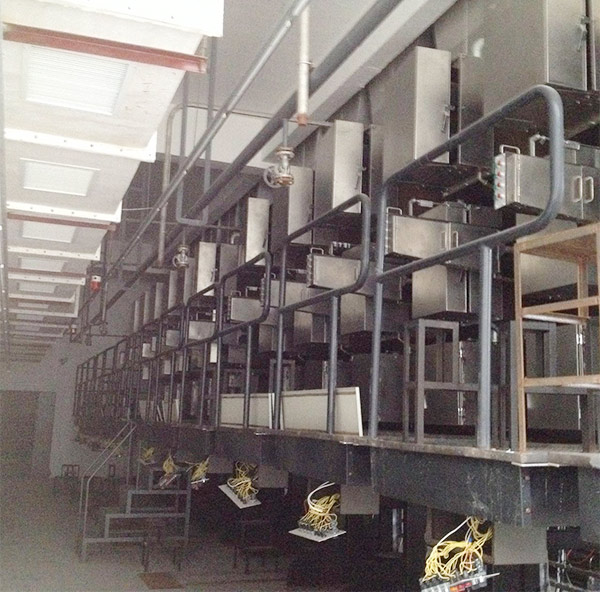
Polypropylene fibers are widely used in non-woven fabrics, geotechnical materials, home textiles, and other fields. The polypropylene spinning machine is the core equipment that produces such fibers. Many people have seen the finished fibers, but they do not understand the internal working logic of the equipment.
The core operation of the polypropylene spinning machine is to convert polypropylene raw materials into continuous fiber strands. In the early preparation stage, granular polypropylene raw materials are sent into the hopper and melted by the screw extrusion system. During the operation of the screw, through shear and heat conduction, the solid granular material is gradually melted into a uniform melt. The temperature and pressure of the melt need to be strictly controlled, as this directly affects the quality of the subsequent fiber strand formation.
The core task of the polypropylene spinning machine is to convert the high-viscosity polypropylene melt into continuous long fibers with practical value. This process does not rely on the intense changes of chemical reactions, but rather relies on precise temperature control and mechanical coordination. At the front end of the equipment, the screw extruder moves the raw materials forward at a stable speed. Each section of the heating ring maintains a differentiated temperature gradient to ensure that the polymer melt acquires uniform fluidity. The metering pump plays the role of a metronome at this moment, rotating through gear meshing to quantitatively and pressure-stably push the melt to the spinning component.
The spinneret plate of the spinning component is the key component that reflects precision. The diameters of the micropores distributed on the plate are often measured in micrometers. The melt passes through these tiny conduits under high pressure and is extruded to form a liquid fine stream. At this moment, the polymer macromolecular chains begin to undergo orientation arrangement. Subsequently, the cooling blowing device gently cools the filament bundle at a certain wind speed and angle, causing the liquid fine stream to gradually solidify into a solid primary fiber. The oiling plate then gives the filament bundle the appropriate bundling and smoothness, reducing friction damage during subsequent stretching.
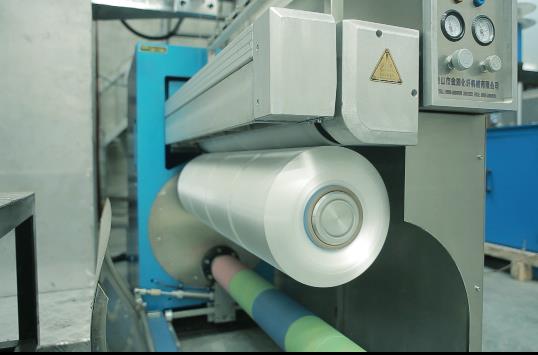
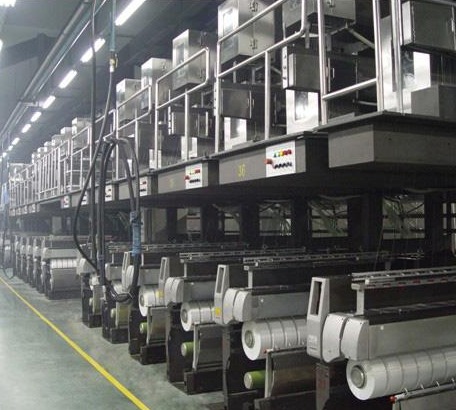
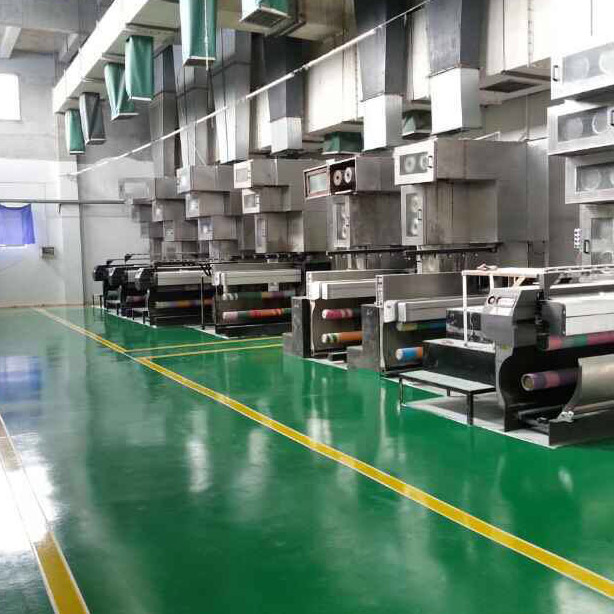
The longitudinal layout of the equipment forms a vertical path from melting, extrusion to cooling and forming. This design utilizes gravity to assist the filament to droop, while also providing sufficient deformation space for the stretching process. The stretching roller group operates with progressive speed ratios, applying stretching force to the solidified filament bundle, causing the molecular chains to further straighten and orderly stack, thereby giving the fibers the desired strength and elongation properties. The winding head uses the cross-moving guide wire mechanism to evenly arrange the high-speed moving filament on the paper tube surface, forming a roll suitable for downstream weaving.
Changzhou Fubon Chemical Fiber Machinery Factory Technical production: Polypropylene spinning machine, polypropylene FDY spinning machine, polypropylene FDY equipment, polyester POY spinning machine, polyester POY production line, polyester POY equipment, polyester POY machinery, polyester recycled bottle FDY spinning machine, polyester FDY spinning machine, polyester FDY machinery, Spandex spinning machine, spinning special parts, polyester small Experimental machine, polypropylene small experimental machine, nylon small experimental machine.
Changzhou Fubon Chemical Fiber Machinery Factory Technical is a research and development and production of all kinds of chemical fiber machinery as the main professional manufacturing suppliers, research, development, production and sales as one, in order to meet the market demand, our factory has established a perfect chemical fiber spinning experimental base, to provide customers with good equipment and technical services. We mainly provide customers with complete sets of polyester, polypropylene, nylon, spandex and other chemical fiber complete sets of equipment, and undertake a variety of related equipment renovation projects and customized services.
Related products
Latest news
- Raw material prices fluctuate, outdoor sports events gain new momentum, the history of cos
- Temperature differences, dryness, dust... The five major hazards of the spinning machine i
- Painting depicts the prosperous times, calligraphy writes the magnificent chapters | Chang
- Mountains and rivers remain unharmed, the moon is full and people are as they always are |
- The 2026 Shanghai Autumn Yarn Expo, a yarn exhibition, concluded officially at the Nationa
- From the slicing process to the silk cake, what exactly did the polypropylene Puqiang FDY
- The quality improvement and standard promotion conference for the sewing equipment industr
- The acrylic polypropylene spinning machine frequently jams the filament? Let's look for th
- Passing down the craftsmanship, unforgettable gratitude for the teacher | With dedication
- The textile industry chain has been steadily recovering, and market orders have steadily r