
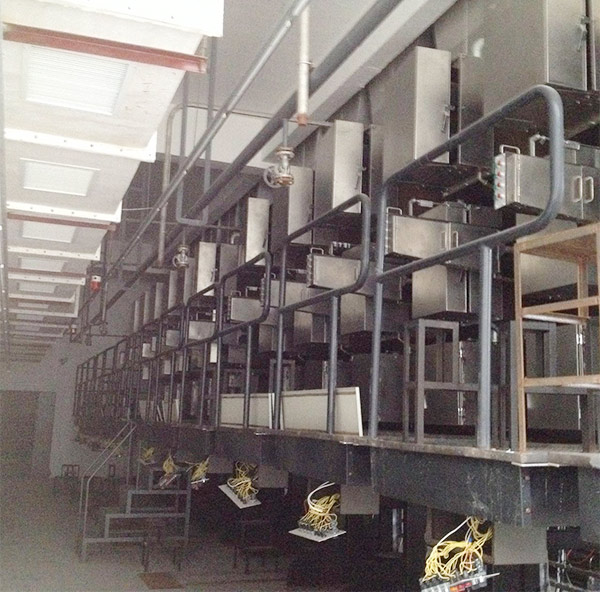
- Polypropylene spinning machine
- Polypropylene FDY equipment
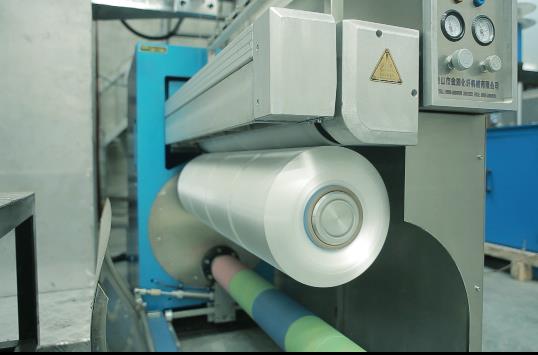
- Polyester POY spinning machine
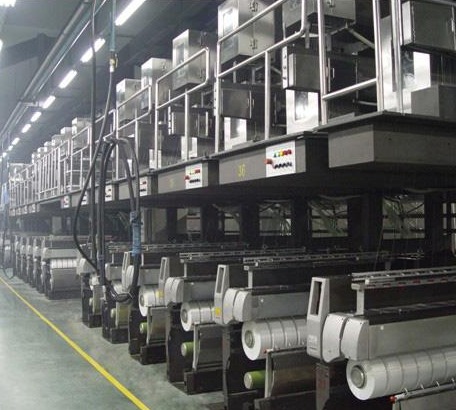
- Polyamide FDY common and high strength equipment
- Polyester FDY equipment
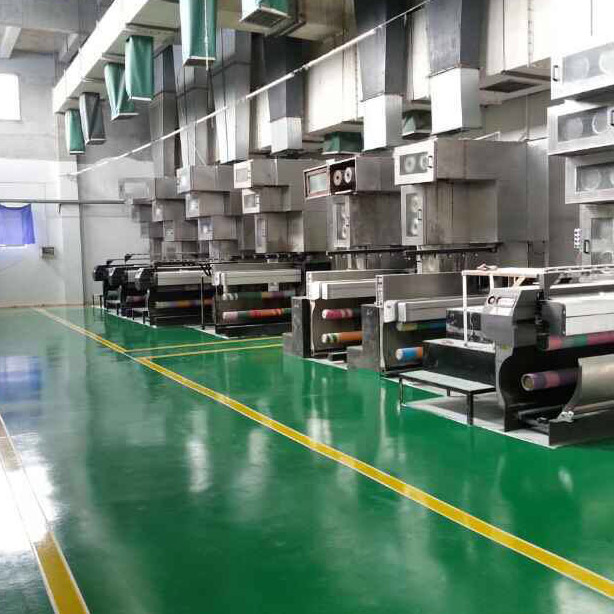
- Polyester high strength equipment
- polyester、Polyamide、 Polypropylene BCF equipment
- Small spinning machine
- All kinds of spinning special parts
- The acrylic polypropylene spinning machine frequently jams the filament? Let's look for the reasons from the temperature and the equipment ends.
- The quality improvement and standard promotion conference for the sewing equipment industry was held in Taizhou.
- Passing down the craftsmanship, unforgettable gratitude for the teacher | With dedication to craftsmanship, we express our respect for teachers. Fubon Chemical Fiber Machinery wishes all teachers a happy holiday!
- The textile industry chain has been steadily recovering, and market orders have steadily rebounded.
- When selecting polypropylene spinning machines, the first step is not to focus on the configuration, but to match the machine to the specific application.

- Contact:Mr. Huang Guofu
- Cel:0086-13901505556
- Fax:0086-519-83341119
- Email:czfb5556@126.com
- Add:No. 288-8 ChangLi Rd, Huangli Town, Changzhou, JS PRV.
Say goodbye to excessive high temperatures, solve the spinning problems, and get the maintenance guide for the polypropylene spinning equipment from FuBang Chemical Fibers Machinery!
Release date: [2026/7/31]
Read total of [82] times
Due to prolonged high temperatures and humidity, the workshop's heat dissipation pressure has sharply increased, placing the chemical fiber production line under multiple challenges, with equipment stability and process control precision facing significant difficulties. The polypropylene spinning process is particularly sensitive to these environmental changes: polypropylene raw materials have limited temperature resistance, and the spinning processing window is extremely narrow. Rising ambient temperatures amplify melt temperature fluctuations, directly disrupting screw extrusion conditions and the metering stability of spinning pumps, thereby affecting the quality of the primary filament.
High-temperature hazards and cumulative heat damage processes, destroying equipment and compromising operations
Industry standards clearly specify that the overall ambient temperature in spinning workshops must be maintained below 30°C, with even lower temperatures required in critical areas such as spinning boxes and drawing units. During summer, rising indoor temperatures can combine with the heat generated by equipment heating systems, creating a "cumulative heating" effect that leads to multiple issues:
· Process out of control: Melt temperature exceeds the set standard, causing a significant drop in melt viscosity and insufficient filament toughness, leading to a sharp increase in spinning breakage and unstable product quality.
· Equipment overload: Under high-temperature conditions, equipment heat dissipation is hindered, causing core components such as spinning pumps and drawing roller motors to operate continuously under excessive load and high temperatures, making overheating trips and shutdowns highly likely, while also accelerating equipment aging and significantly shortening service life.
· High humidity risks: Moisture corrosion damages machinery and leads to defective products.
The workshop should maintain a relative humidity of 50%–60%. After the start of the hot season, air humidity often exceeds 70%, creating a damp environment that harbors numerous production risks:
· Equipment rust and jamming: High humidity accelerates oxidation and corrosion of metal components, damaging the precision of critical parts such as cutting blades and guide rollers, leading to operational jams and increased errors.
· Frequent product defects: In humid conditions, friction between fibers increases abnormally, making it highly likely for issues like fiber sticking, fraying, or breakage to occur during spinning and cutting processes, resulting in continuously rising scrap rates.
· Electrical safety hazards: Moisture entering control cabinets and motor circuits can cause dampness, reduced insulation, short circuits, and tripping. In severe cases, this may lead to equipment failure or safety incidents.
Summer Textile Equipment Maintenance
Temperature and humidity control is the lifeline of summer production. Once high temperature and humidity spiral out of control, not only does melt viscosity drop and filament breakage become more frequent, but equipment also risks overheating and tripping due to poor heat dissipation, significantly shortening its service life. When humidity exceeds 70%, metal components corrode faster, cutting blade precision and guide roller accuracy deteriorate, inter-fiber friction increases, and problems such as fiber sticking and fraying quickly follow.
To safeguard this "lifeline," relying solely on air conditioners running at full capacity is insufficient—instead, a comprehensive approach combining equipment maintenance, process inspection, and environmental isolation is essential:
01. Ensure timely heat dissipation—don't let equipment overheat
Under high temperatures, motors and housing units are most prone to overheating. Monitor your equipment as carefully as you would your own body temperature: regularly clean dust from motor cooling fans and ventilation openings, inspect workshop ventilation systems, promptly replace aged filters, and ensure smooth airflow. The spinning box temperature must be monitored daily to maintain temperature fluctuations within acceptable ranges across all zones, preventing reduced melt fluidity and decreased filament strength.
02. Focus on critical processes to prevent breakage
During the hot and humid summer months, the raw material drying system is of utmost importance. It is recommended to install temperature and humidity monitors at the dryer's air inlet to continuously monitor dew point temperature. Clean the dryer’s filter screens and heating tubes weekly, and calibrate temperature sensors monthly to strictly prevent excessive moisture content in raw materials from causing "bubbled yarn" or "fuzzy yarn" defects. At the same time, monitor the temperature of each zone in the spinning box daily to eliminate abnormal fluctuations that could lead to increased yarn breakage.
03. Moisture and Corrosion Protection: Safeguarding Electrical Systems' Health
Summer brings frequent thunderstorms, making electrical components highly susceptible to moisture-induced short circuits. Regularly inspect motor insulation performance and ensure control cabinets are properly sealed against humidity. Frequently wipe metal parts of equipment and apply rust inhibitors when necessary to minimize damage caused by dampness.
04. Staggered Operation: Regular Inspections Are Essential
Temperatures peak at noon, so it's recommended to assign dedicated personnel to conduct inspections every 2–3 hours, focusing particularly on motor temperatures, control cabinets, and spinning zone temperatures, while recording key parameters. High-load processes should be scheduled during cooler morning and evening periods to reduce prolonged equipment stress under high temperatures. If breakage increases or pressure fluctuations occur, document them in detail to enable quick troubleshooting later.
Equipment needs cooling, and people need protection from the heat.
A reminder to workshop workers: drinking diluted salt water or mung bean soup is more effective than icy drinks—don't wait until you're thirsty. If you feel dizzy, palpitations, or break out in cold sweat, immediately rest in a well-ventilated, cool place. No matter how hot it gets, never remove your safety helmet or take off your work uniform—the safety line must never be compromised.
Although it's hot during the dog days, production can still remain stable and secure with proper maintenance and regular inspections. Fubang Chemical Fiber Machinery has been deeply involved in polypropylene spinning equipment for many years. If you encounter any challenges in equipment maintenance or process adjustments, please feel free to contact the Fubang team at any time—we are ready to provide professional support.
Precise temperature control, enhanced inspection, and moisture and corrosion prevention—three measures working together for a smooth summer.
Declaration: The content and template of this article are collected from the internet and are copyrighted by the original authors. If any infringement is detected, please notify us immediately and we will delete it.
Changzhou Fubon Chemical Fiber Machinery Factory Technical production: Polypropylene spinning machine, polypropylene FDY spinning machine, polypropylene FDY equipment, polyester POY spinning machine, polyester POY production line, polyester POY equipment, polyester POY machinery, polyester recycled bottle FDY spinning machine, polyester FDY spinning machine, polyester FDY machinery, Spandex spinning machine, spinning special parts, polyester small Experimental machine, polypropylene small experimental machine, nylon small experimental machine.
Changzhou Fubon Chemical Fiber Machinery Factory Technical is a research and development and production of all kinds of chemical fiber machinery as the main professional manufacturing suppliers, research, development, production and sales as one, in order to meet the market demand, our factory has established a perfect chemical fiber spinning experimental base, to provide customers with good equipment and technical services. We mainly provide customers with complete sets of polyester, polypropylene, nylon, spandex and other chemical fiber complete sets of equipment, and undertake a variety of related equipment renovation projects and customized services.
Related products
Latest news
- The quality improvement and standard promotion conference for the sewing equipment industr
- The acrylic polypropylene spinning machine frequently jams the filament? Let's look for th
- Passing down the craftsmanship, unforgettable gratitude for the teacher | With dedication
- The textile industry chain has been steadily recovering, and market orders have steadily r
- When selecting polypropylene spinning machines, the first step is not to focus on the conf
- Fubang Chemical Fiber Machinery Reminder | Excessive rainfall and high humidity bring many
- The 2026 China International Textile Yarn (Autumn-Winter) Exhibition (YarnExpo) has grandl
- Understand the manufacturing secrets of polypropylene spinning machines
- The 2026 Textile Weaving Industry Product Innovation Seminar and New Product Exchange Resu
- Polypropylene spinning machine systematic solution: Precise control from melt extrusion to