
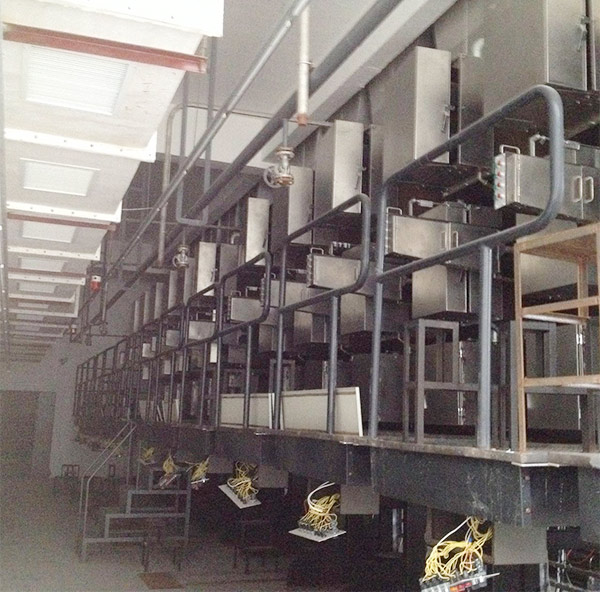
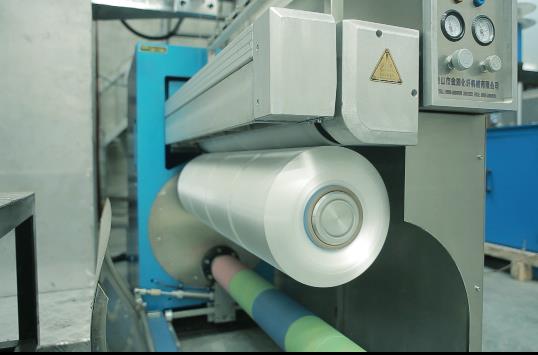
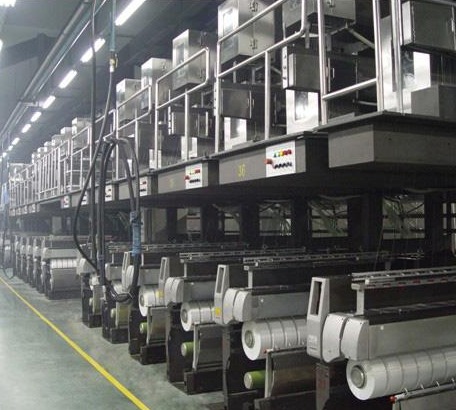
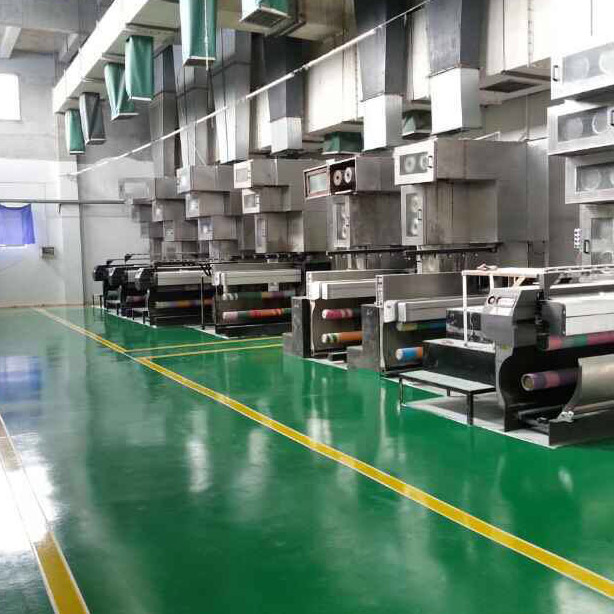
- Polypropylene spinning machine
- Polypropylene FDY equipment
- Polyester POY spinning machine
- Polyamide FDY common and high strength equipment
- Polyester FDY equipment
- Polyester high strength equipment
- polyester、Polyamide、 Polypropylene BCF equipment
- Small spinning machine
- All kinds of spinning special parts
- Painting depicts the prosperous times, calligraphy writes the magnificent chapters | Changzhou Fubang Chemical Fiber Machinery Factory wishes our motherland enjoy favorable weather and abundant resources, and the people live in peace and prosperity!
- Mountains and rivers remain unharmed, the moon is full and people are as they always are | Fubon Chemical Fiber Machinery wishes you a joyful Mid-Autumn Festival—may the full moon reflect your smile and warmth fill your heart!
- The 2026 Shanghai Autumn Yarn Expo, a yarn exhibition, concluded officially at the National Exhibition Center.
- From the slicing process to the silk cake, what exactly did the polypropylene Puqiang FDY spinning machine go through?
- The quality improvement and standard promotion conference for the sewing equipment industry was held in Taizhou.
- The acrylic polypropylene spinning machine frequently jams the filament? Let's look for the reasons from the temperature and the equipment ends.

- Contact:Mr. Huang Guofu
- Cel:0086-13901505556
- Fax:0086-519-83341119
- Email:czfb5556@126.com
- Add:No. 288-8 ChangLi Rd, Huangli Town, Changzhou, JS PRV.
Implement five tasks to promote green and low-carbon transformation
Release date: [2022/5/27]
Read total of [774] times
The "Guiding Opinions" pointed out that it is necessary to promote green and low-carbon transformation. Promote energy-saving and low-carbon development. Encourage enterprises to optimize the energy structure, formulate a roadmap for carbon peaking in the chemical fiber industry, clarify the implementation path of carbon reduction in the industry, accelerate the construction of green factories, green products, green supply chains, and green parks in the chemical fiber industry, and develop water and energy efficiency leader demonstration enterprises. Promote carbon footprint accounting and social responsibility construction. Improve the level of recycling, promote key technological breakthroughs and industrialization in the high-value utilization of waste textiles, increase the recycling of used military uniforms, school uniforms, police uniforms, tooling and other uniforms, and encourage relevant production enterprises to establish recycling systems. Strict energy efficiency constraints, improve the green manufacturing standard system of the chemical fiber industry, and accelerate the elimination of outdated production processes and equipment with high energy consumption, high water consumption, and high emissions in accordance with laws and regulations, so as to provide space for optimizing the supply structure.
The "Guiding Opinions" clearly stated that by 2025, the proportion of green fibers in the chemical fiber industry will increase to more than 25%, and the output of bio-based chemical fibers and degradable fiber materials will achieve an average annual increase of more than 20%. Shenghong is currently the largest bio-based PDO and PTT fiber manufacturer in China. It has started the R&D and production of bio-based fibers many years ago, and has set a number of records in the history of the world's textile PTT process technology. Company spokesman Gu Donghua introduced that the company's PTT fiber products from raw materials to manufacturing, use, recycling and other life cycles are green and recyclable, and the carbon emissions of the product's life cycle are reduced by 15%.
At the same time, in response to the national ecological civilization construction and the "dual carbon" goal, in recent years, Shenghong has embarked on an ecological, low-carbon and circular "green Shenghong" road. In Suqian Shenghong New Material Industrial Park, Shenghong invested in the construction of the world's first regenerated melt direct spinning production line from bottle flakes to spinning. Plastic bottles, which account for 20% of the country's total recycling, are equivalent to 1 million tons of carbon dioxide emissions after being recycled.
In terms of green development, Tongkun Group has also achieved fruitful results. During the "Thirteenth Five-Year Plan" period, Tong Kun has presided over or participated in the Ministry of Industry and Information Technology's "Integrated Innovation of Green Multifunctional Differential Polyester Fiber Manufacturing and Application Technology", "Functional Polyester Fiber New Material Intelligent Manufacturing New Model Application Project" and other major research projects The project, through the cooperation mode of production, education and research, developed green process technologies such as polyester "one head and three tails" fully differentiated polyester synthesis, online addition, oil-free drafting, polyester organic matter recovery, comprehensive utilization of waste heat, etc. It has developed intelligent hardware equipment such as intelligent shovel plate, online appearance inspection of tow/cake, automatic detection of spinneret, automatic loading, etc. and large-capacity polyester fiber accessories. The domestic DCS system, APC system, chemical fiber big data platform and other software systems lead the upstream and downstream of the industrial chain and supporting enterprises to jointly promote the green manufacturing and intelligent manufacturing of polyester chemical fiber. In the future, Tongkun will continue to devote itself to the green manufacturing of the upstream and downstream industrial chains of polyester filaments, help the construction of green manufacturing systems in the chemical fiber industry, the transformation and upgrading of green manufacturing, and contribute to the improvement of the level of green manufacturing in the domestic and even global chemical fiber industry, and help the national carbon Achievement of peak carbon neutrality goals.
Under the guidance of the Consumer Goods Industry Department of the Ministry of Industry and Information Technology, the green fiber label certification work carried out by the China Chemical Fiber Industry Association has created a new situation in my country's textile field product certification. It is currently one of the important green certification systems in the textile industry chain, including green fiber certification and products. Certification. The Green Fiber (GF) trademark is a certification trademark registered with the State Administration for Market Regulation. At present, the work has entered the sixth year, and there are 39 green fiber certification enterprises. The certified products cover recycled polyester, lyocell fiber, chitosan fiber, PTT fiber, dope dyed nylon, polyester, polypropylene, aramid Fiber, polyimide fiber, etc. In the future, under the guidance of the Consumer Goods Industry Department, the China Chemical Fiber Industry Association will implement the "Guiding Opinions on the High-quality Development of the Chemical Fiber Industry" and "Implementation Opinions on Accelerating the Recycling of Waste Textiles" and other policies, and continue to improve the green fiber mark certification system. Strengthen mutual recognition and cooperation with relevant international and domestic certifications, further enhance the scientificity and standardization of certification, ensure the advanced nature of green fiber logo certification enterprises, strengthen publicity and promotion, expand certification awareness, and form an influential certification brand in the textile field .
Related products
Latest news
- Painting depicts the prosperous times, calligraphy writes the magnificent chapters | Chang
- Mountains and rivers remain unharmed, the moon is full and people are as they always are |
- The 2026 Shanghai Autumn Yarn Expo, a yarn exhibition, concluded officially at the Nationa
- From the slicing process to the silk cake, what exactly did the polypropylene Puqiang FDY
- The quality improvement and standard promotion conference for the sewing equipment industr
- The acrylic polypropylene spinning machine frequently jams the filament? Let's look for th
- Passing down the craftsmanship, unforgettable gratitude for the teacher | With dedication
- The textile industry chain has been steadily recovering, and market orders have steadily r
- When selecting polypropylene spinning machines, the first step is not to focus on the conf
- Fubang Chemical Fiber Machinery Reminder | Excessive rainfall and high humidity bring many