
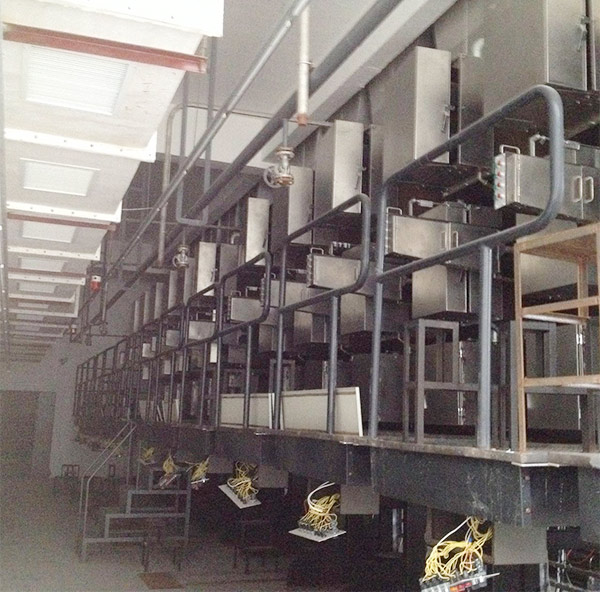
- Polypropylene spinning machine
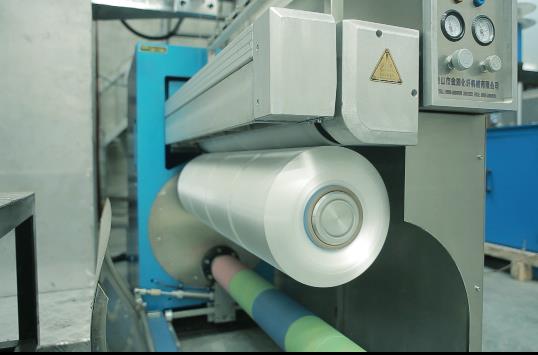
- Polypropylene FDY equipment
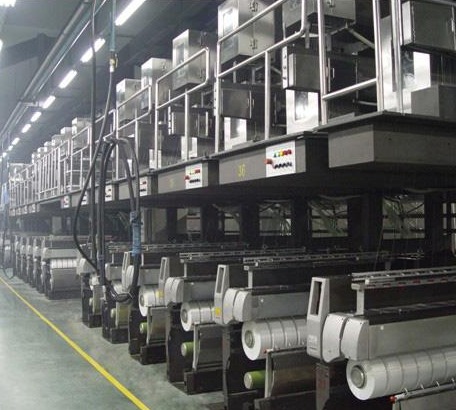
- Polyester POY spinning machine
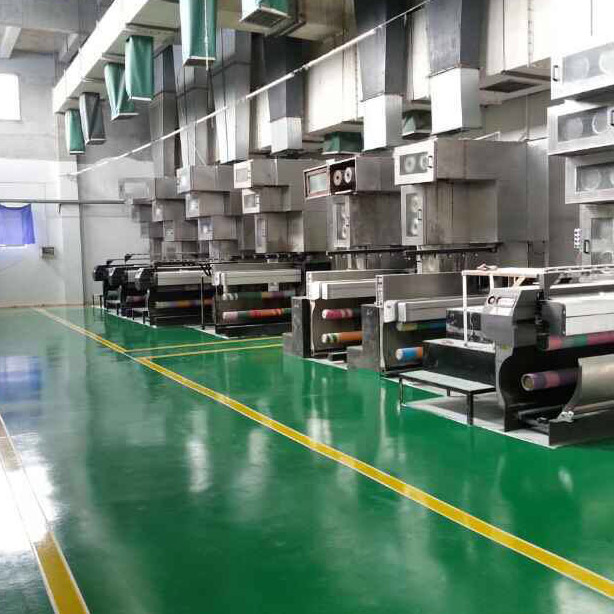
- Polyamide FDY common and high strength equipment
- Polyester FDY equipment
- Polyester high strength equipment
- polyester、Polyamide、 Polypropylene BCF equipment
- Small spinning machine
- All kinds of spinning special parts
- Passing down the craftsmanship, unforgettable gratitude for the teacher | With dedication to craftsmanship, we express our respect for teachers. Fubon Chemical Fiber Machinery wishes all teachers a happy holiday!
- The textile industry chain has been steadily recovering, and market orders have steadily rebounded.
- When selecting polypropylene spinning machines, the first step is not to focus on the configuration, but to match the machine to the specific application.
- Fubang Chemical Fiber Machinery Reminder | Excessive rainfall and high humidity bring many risks! Tips for maintaining and operating moisture-proof equipment for chemical fiber spinning please keep in mind!
- The 2026 China International Textile Yarn (Autumn-Winter) Exhibition (YarnExpo) has grandly opened.
- Understand the manufacturing secrets of polypropylene spinning machines

- Contact:Mr. Huang Guofu
- Cel:0086-13901505556
- Fax:0086-519-83341119
- Email:czfb5556@126.com
- Add:No. 288-8 ChangLi Rd, Huangli Town, Changzhou, JS PRV.
What are the precautions for the operation of the polypropylene spinning machine?
Release date: [2022/2/11]
Read total of [765] times
What are the precautions for the operation of the polypropylene spinning machine?
1. The transmission part of the polypropylene spinning machine should run smoothly without abnormal noise.
2. Under normal working conditions of the polypropylene spinning machine, the surface temperature rise of the gearbox of the screw extruder should not exceed 30℃. The temperature rise of metering pump gearbox should not exceed 20℃.
3. When the ambient temperature of the polypropylene spinning machine is lower than 28°C, the average temperature of the front and rear surfaces of the insulation layer of the spinning box should not be greater than 65°C.
4. The pipe connection of the polypropylene spinning machine shall not leak.
5. The wind speed of the blowing device should be stable, and there is no violent fluttering or merging of the silk. The difference rate of wind speed on the same horizontal plane of the single spinning position in the ring blowing device should not be greater than 15, and the difference rate of the wind speed on the same horizontal plane of the single spinning position in the side blowing device should not be greater than 20.
6. The tow channel and the contact part of the tow should be smooth and not hanging.
7. The biphenyl pipeline shall be tested for air tightness according to the specified value in the technical documents, and no leakage shall be allowed.
8. The spinning box should be manufactured, tested and accepted according to GB 150, and supervised by TSG R0004--2009.
9. The temperature difference between the fixed temperature measurement points of the spinning box heated by the heat medium should not exceed 2 °C.
10. The temperature difference of each fixed temperature measurement point of the electrically heated spinning head should not exceed 3℃.
11. The temperature control accuracy of each zone of the screw extruder should be ±2℃.
12. The control accuracy of the melt pressure of the screw extruder should be ±0.3 MPa.
13. The metering pump should comply with the regulations of FZ/T 92026.
14. The spinneret should comply with the regulations of FZ/T 92038.
15. Electrical equipment and lines are well insulated, with insulation resistance ≥1 Mi2.
Related products
Latest news
- Passing down the craftsmanship, unforgettable gratitude for the teacher | With dedication
- The textile industry chain has been steadily recovering, and market orders have steadily r
- When selecting polypropylene spinning machines, the first step is not to focus on the conf
- Fubang Chemical Fiber Machinery Reminder | Excessive rainfall and high humidity bring many
- The 2026 China International Textile Yarn (Autumn-Winter) Exhibition (YarnExpo) has grandl
- Understand the manufacturing secrets of polypropylene spinning machines
- The 2026 Textile Weaving Industry Product Innovation Seminar and New Product Exchange Resu
- Polypropylene spinning machine systematic solution: Precise control from melt extrusion to
- How to choose a polypropylene spinning machine? From production capacity, fineness to equi
- The 2026 China Cotton Textile Industry Association Raw Materials Industry Chain Branch Con