
- Polypropylene spinning machine
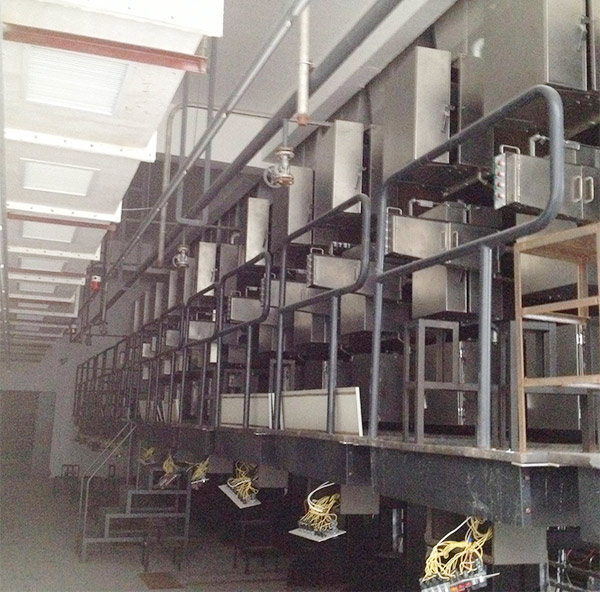
- Polypropylene FDY equipment
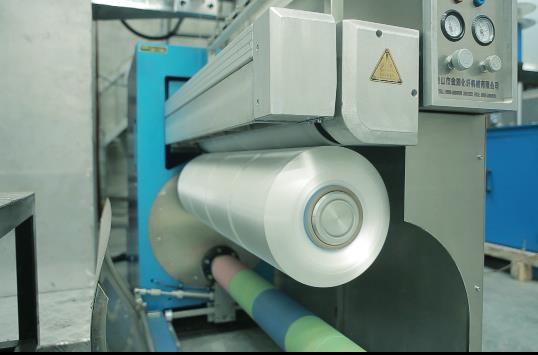
- Polyester POY spinning machine
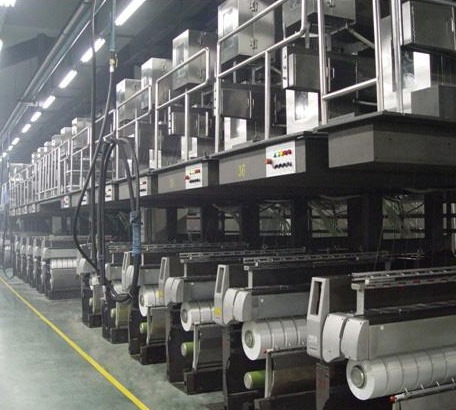
- Polyamide FDY common and high strength equipment
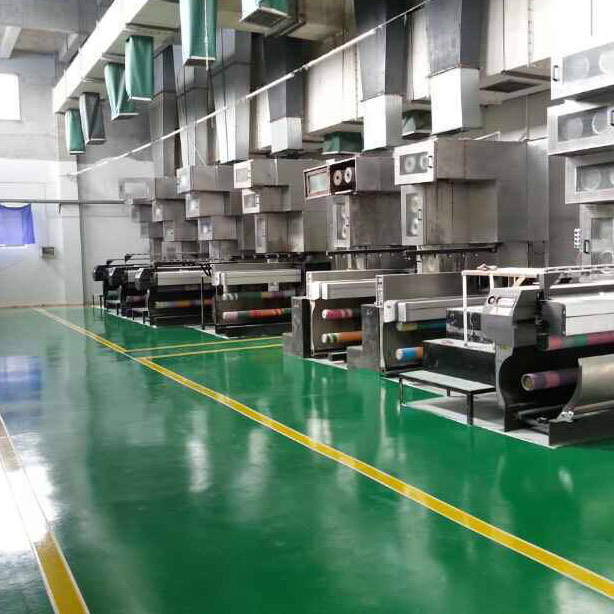
- Polyester FDY equipment
- Polyester high strength equipment
- polyester、Polyamide、 Polypropylene BCF equipment
- Small spinning machine
- All kinds of spinning special parts
- The 2026 Textile Market Conference was held in Caoqiao, Shaoxing.
- As winter approaches | People should focus on conserving energy during winter, and keep their skills sharp throughout the year. Ensure proper winter maintenance of the spinning equipment and prepare for the end-of-year production!
- Adapting to the changes of the seasons and maintaining the stability of equipment - The seasonal operation management method for polypropylene spinning machines
- Ice and Fire - Raw Material Price Surge Hits, Printing and Dyeing Under Pressure! The Maternity and Pet Fabric Market Breaks Through Against the Odds!
- The 27th Third Special Meeting of the Council of the China Textile Engineering Society was held in Wuhan.
- Handling of filament blocking faults in polypropylene spinning machines and key points for daily operation and maintenance

- Contact:Mr. Huang Guofu
- Cel:0086-13901505556
- Fax:0086-519-83341119
- Email:czfb5556@126.com
- Add:No. 288-8 ChangLi Rd, Huangli Town, Changzhou, JS PRV.
Suitable heating method for polypropylene spinning machine
Release date: [2020/8/7]
Read total of [961] times
What are the heating methods suitable for polypropylene spinning machines? The heating of the polypropylene spinning machine requires the use of electromagnetic heaters. The main component of the machine is the heat roller, which can be heated to a certain temperature and runs at high speed.
The size of the heat roller is different, generally there are diameters Φ160 Φ180 Φ190 Φ210 Φ220. Length of hot roller: 200-450mm, speed range: 750-5500m/min, surface temperature of godet: ≤240℃-140℃, surface treatment of hot roller: hard chrome plating, ceramic plating.
The current heating method of the heat roller is power frequency induction heating. Its disadvantage is that the heating coil is easily damaged. The frightening thing is that it is easy to heat the central shaft of the motor and burn the motor. However, the newly developed all-digital application in polypropylene spinning machine heating roller heating is efficient and energy-saving, effectively solving the shortcomings of traditional heating and greatly reducing costs. Its main advantages are:
1. Make the surface temperature of the hot roller work area uniform, which can meet the requirements of different industrial yarns and civil yarns FDY spinning process.
2. The surface temperature of the working area of the hot roller rises rapidly, energy saving is obvious, and the efficiency is greatly improved.
3. After using the electromagnetic heater, the rotating shaft of the heat roller motor will not damage the motor due to induction heating.
4. The coil of the electromagnetic heater will not be damaged, reducing maintenance trouble and cost.
5. The equipment has a complete system, simple structure, stable and reliable operation at high temperatures, and can meet the requirements of different fiber FDY spinning processes. It is an economical and reasonable choice for polypropylene spinning machines.
Related products
Latest news
- Adapting to the changes of the seasons and maintaining the stability of equipment - The se
- The 2026 Textile Market Conference was held in Caoqiao, Shaoxing.
- As winter approaches | People should focus on conserving energy during winter, and keep th
- Ice and Fire - Raw Material Price Surge Hits, Printing and Dyeing Under Pressure! The Mate
- The 27th Third Special Meeting of the Council of the China Textile Engineering Society was
- Handling of filament blocking faults in polypropylene spinning machines and key points for
- Manager's Must-Know | Management is not more effective through greater complexity: Simplif
- The third member assembly of the Shaoxing Textile Industry Association and the modern text
- Iteration of polypropylene FDY spinning machine equipment: Process stability, temperature
- Raw material prices fluctuate, outdoor sports events gain new momentum, the history of cos