
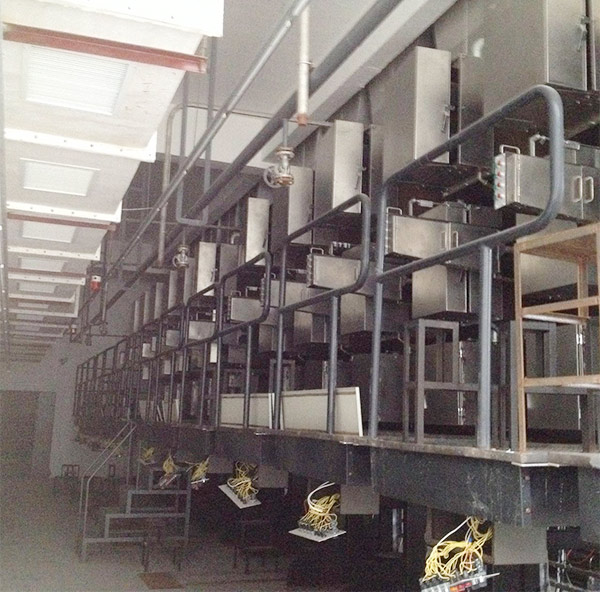
- Polypropylene spinning machine
- Polypropylene FDY equipment
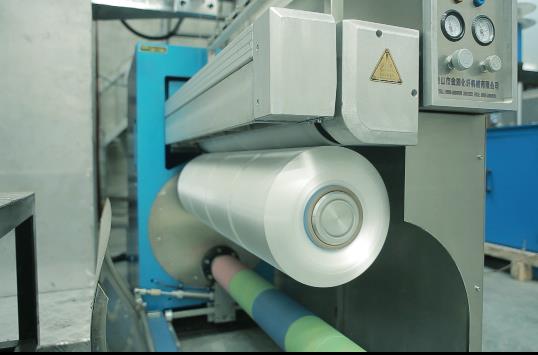
- Polyester POY spinning machine
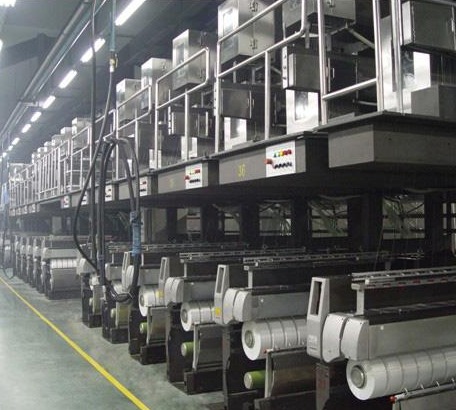
- Polyamide FDY common and high strength equipment
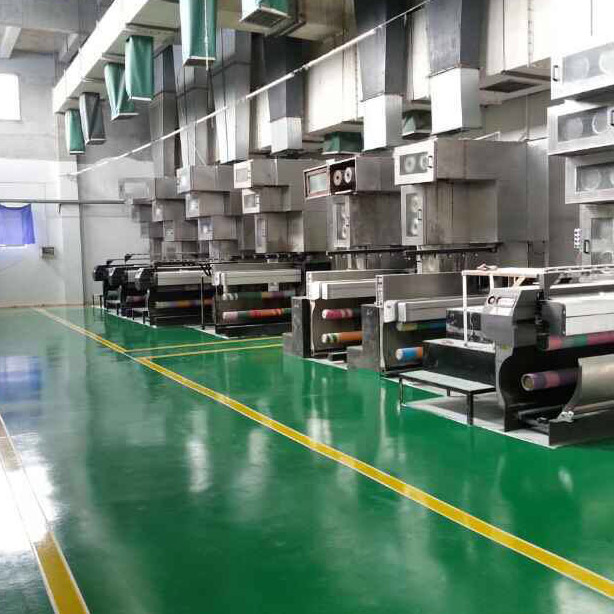
- Polyester FDY equipment
- Polyester high strength equipment
- polyester、Polyamide、 Polypropylene BCF equipment
- Small spinning machine
- All kinds of spinning special parts
- Manager's Must-Know | Management is not more effective through greater complexity: Simplify and streamline, shift from hierarchical control to efficient empowerment
- The third member assembly of the Shaoxing Textile Industry Association and the modern textile industry chain connection meeting were successfully held.
- Iteration of polypropylene FDY spinning machine equipment: Process stability, temperature control accuracy and selection logic
- Raw material prices fluctuate, outdoor sports events gain new momentum, the history of costume design continues, how can intangible cultural heritage skills be carried forward in the new era?
- Temperature differences, dryness, dust... The five major hazards of the spinning machine in autumn are all explained here in one go.

- Contact:Mr. Huang Guofu
- Cel:0086-13901505556
- Fax:0086-519-83341119
- Email:czfb5556@126.com
- Add:No. 288-8 ChangLi Rd, Huangli Town, Changzhou, JS PRV.
When selecting polypropylene spinning machines, the first step is not to focus on the configuration, but to match the machine to the specific application.
Release date: [2026/9/8]
Read total of [85] times
Changzhou FuBang Chemical Fiber Machinery Factory has been engaged in the design and manufacture of polypropylene FDY spinning machines, polypropylene spinning machines, polyester POY and polyester industrial filament spinning and drawing combined machines, and recycled bottle piece POY spinning machines for a long time. During actual communication, we have noticed that the requirements expressed by the purchasers are often similar, but the downstream fields served by the equipment are significantly different. Therefore, the first step in selection is to clearly define the application scenarios of your own.
Even for polypropylene fibers, those used for making webbing and those for making carpets, the indicators they care about vary greatly; those making luggage fabric and those making geotextiles have completely different suitable machine models. Therefore, the first step in selection is not to compare configurations, but to first categorize yourself into one of the following categories.
First category: Stable production type - targeted at regular polypropylene long fibers, focus on "one-step" efficiency
Typical downstream applications: webbing, luggage straps, safety belts, ropes, carpet facings, outdoor fabrics, filtration materials.
Recommended path: For such products, using polypropylene FDY spinning machines (one-step spinning and stretching) is the most straightforward. The spinning and stretching are integrated into one line, the process is short, and the space occupation is small. The finished fibers can directly enter the weaving or knitting process. Such orders are usually batch production, with relatively fixed colors, and often use liquid dyeing (color mother addition), with no post-dyeing, and the delivery date and cost can be easily controlled.
The three "invisible life-and-death lines" to focus on during selection:
Rolling and forming stability - directly determines the breakage rate of the post-drawing process;
Rolling tube performance - the silent killer affecting weaving efficiency;
Whether it is convenient to change colors and varieties - seemingly insignificant, but it is the most frustrating part every day.
Passing these three tests, batch orders can run smoothly and last longer.
Second category: Flexible change type - for diverse products and raw materials, calculate the "switching cost"
Typical pain points: Many colors of orders, wide fiber fineness range, and frequent changes of varieties every three to five days.
Selection core thinking: Don't just focus on the designed production capacity, but also ask more about the flexibility of the equipment.
What is the range of adaptability of the screw and metering pump?
Can the spinning components be used for different specifications?
Is it troublesome to change the winding head specifications?
The answers to these questions directly determine how much downtime and transition fibers you need to waste, how much labor you need to consume each time you change varieties. For such customers, the "flexibility" of the equipment is more valuable than the "rigidity" of production capacity. A machine that is easy to change varieties can save a lot of waste and downtime in the initial equipment cost, which can recover the initial equipment price difference in a year.
Third category: Recycled differentiation type - using recycled bottle pieces or extended polyester industrial fibers, the front process must be well done
If you plan to use recycled bottle pieces or your products are extended towards polyester POY or polyester industrial fibers, then the focus should start from the drying and filtering processes in the front stage.
The impurity content of recycled materials fluctuates greatly, and the requirements for filtration accuracy and uniform plasticization are extremely high. If the filtration and plasticization cannot keep up, the spinning state is not easy to stabilize - floating fibers, breakage, and fine fibers occur frequently, and even the most powerful machine is useless. At this time, increasing the filtration area and designing an additional homogenization section is more important than simply increasing the screw rotation speed. This initial configuration investment can help you avoid 80% or more of production abnormalities in the later stage.
Changzhou Fubon Chemical Fiber Machinery Factory Technical production: Polypropylene spinning machine, polypropylene FDY spinning machine, polypropylene FDY equipment, polyester POY spinning machine, polyester POY production line, polyester POY equipment, polyester POY machinery, polyester recycled bottle FDY spinning machine, polyester FDY spinning machine, polyester FDY machinery, Spandex spinning machine, spinning special parts, polyester small Experimental machine, polypropylene small experimental machine, nylon small experimental machine.
Changzhou Fubon Chemical Fiber Machinery Factory Technical is a research and development and production of all kinds of chemical fiber machinery as the main professional manufacturing suppliers, research, development, production and sales as one, in order to meet the market demand, our factory has established a perfect chemical fiber spinning experimental base, to provide customers with good equipment and technical services. We mainly provide customers with complete sets of polyester, polypropylene, nylon, spandex and other chemical fiber complete sets of equipment, and undertake a variety of related equipment renovation projects and customized services.
Related products
Latest news
- Manager's Must-Know | Management is not more effective through greater complexity: Simplif
- The third member assembly of the Shaoxing Textile Industry Association and the modern text
- Iteration of polypropylene FDY spinning machine equipment: Process stability, temperature
- Raw material prices fluctuate, outdoor sports events gain new momentum, the history of cos
- Temperature differences, dryness, dust... The five major hazards of the spinning machine i
- Painting depicts the prosperous times, calligraphy writes the magnificent chapters | Chang
- Mountains and rivers remain unharmed, the moon is full and people are as they always are |
- The 2026 Shanghai Autumn Yarn Expo, a yarn exhibition, concluded officially at the Nationa
- From the slicing process to the silk cake, what exactly did the polypropylene Puqiang FDY
- The quality improvement and standard promotion conference for the sewing equipment industr