
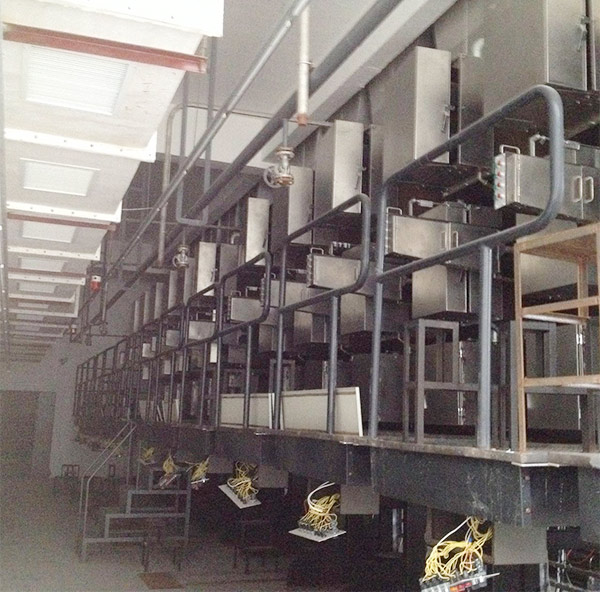
- Polypropylene spinning machine
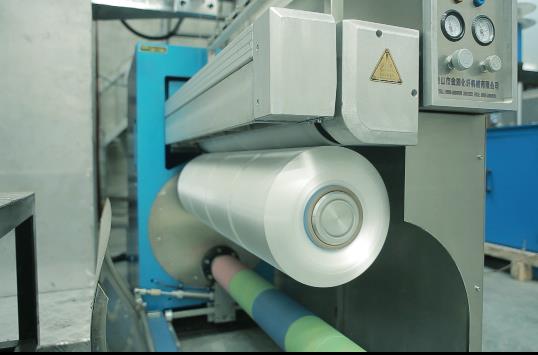
- Polypropylene FDY equipment
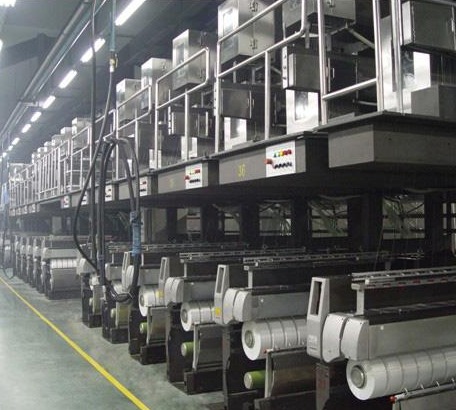
- Polyester POY spinning machine
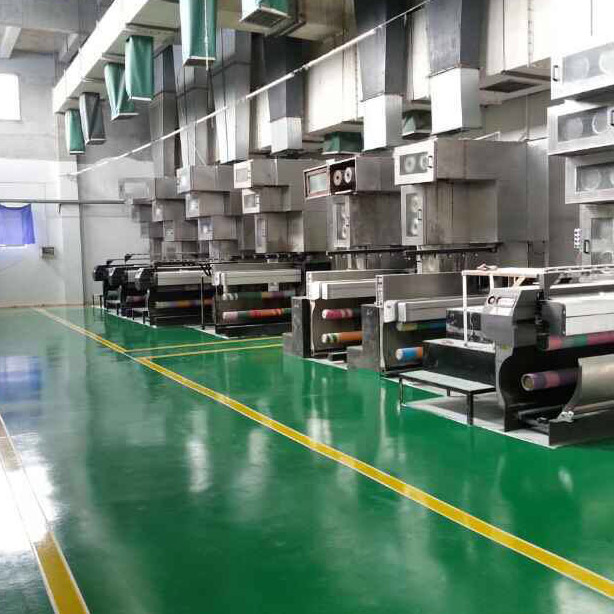
- Polyamide FDY common and high strength equipment
- Polyester FDY equipment
- Polyester high strength equipment
- polyester、Polyamide、 Polypropylene BCF equipment
- Small spinning machine
- All kinds of spinning special parts
- When selecting polypropylene spinning machines, the first step is not to focus on the configuration, but to match the machine to the specific application.
- The textile industry chain has been steadily recovering, and market orders have steadily rebounded.
- Fubang Chemical Fiber Machinery Reminder | Excessive rainfall and high humidity bring many risks! Tips for maintaining and operating moisture-proof equipment for chemical fiber spinning please keep in mind!
- The 2026 China International Textile Yarn (Autumn-Winter) Exhibition (YarnExpo) has grandly opened.
- Understand the manufacturing secrets of polypropylene spinning machines

- Contact:Mr. Huang Guofu
- Cel:0086-13901505556
- Fax:0086-519-83341119
- Email:czfb5556@126.com
- Add:No. 288-8 ChangLi Rd, Huangli Town, Changzhou, JS PRV.
The listed textile enterprises are accelerating their cross-industry transformation.
Release date: [2026/5/26]
Read total of [179] times
The traditional textile business is experiencing intensified competition, fluctuations in raw materials, and continuous compression of profit margins. Coupled with the wave of development of new quality productive forces, many textile listed companies are no longer clinging to their traditional main businesses such as spinning, dyeing, home textiles, and clothing manufacturing. Leveraging their long-term accumulated cash flow, technology, and supply chain management capabilities, these enterprises have collectively ventured into high-growth and high-margin blue ocean sectors such as high-end new materials, new energy, computing power technology, and intelligent equipment, creating a dual-main-business-driven model. The new layout of textile enterprises' cross-border transformation is either an inevitable move due to intensified competition or a change in enterprise profitability?
The industry is facing a profit bottleneck.
Transformation and Breakthrough Have Become a Consensus
In recent years, due to weak downstream consumer demand, intense competition in production capacity, fluctuating textile raw material prices, and rising labor costs, the industry has generally fallen into a predicament of slow revenue growth, meager net profits, and internal competition for homogeneity. The gross profit margins of most traditional textile manufacturing businesses have remained at 10%-20% for a long time. Small and medium-sized enterprises face huge survival pressures, while the growth ceilings of leading listed companies have become prominent.
Meanwhile, emerging fields such as humanoid robots, lithium battery new energy, computing power data centers, special polymer materials, photovoltaic energy storage, etc., have received policy support and witnessed a surge in market demand. These fields possess technical barriers and scarcity, and the industry's gross profit margins have generally exceeded 30% - 60%. The profit levels are far higher than those of traditional textiles. On one hand, there is a shrinking profit in the existing red ocean, while on the other hand, there are wealth opportunities in the emerging blue ocean. "Stabilizing the basic position of textiles and cultivating a high-profit second growth curve" has become the new strategic choice for leading textile companies.
Unlike the blind trend-following across industries, this round of textile enterprises' transformation has distinct characteristics: Based on their own technological advantages in fiber processing, high polymer chemistry, and precision processing, they focus on extending the industrial chain and making cross-industry investments rather than engaging in capital speculation that departs from the real economy. This significantly reduces the risks of transformation and integration, and new materials and cutting-edge technologies have become the most mainstream layout directions.
Note: The content and template of this article are collected from the internet and are copyrighted by the original authors. If there is any infringement, please notify promptly and we will delete it.
Related products
Latest news
- The textile industry chain has been steadily recovering, and market orders have steadily r
- When selecting polypropylene spinning machines, the first step is not to focus on the conf
- Fubang Chemical Fiber Machinery Reminder | Excessive rainfall and high humidity bring many
- The 2026 China International Textile Yarn (Autumn-Winter) Exhibition (YarnExpo) has grandl
- Understand the manufacturing secrets of polypropylene spinning machines
- The 2026 Textile Weaving Industry Product Innovation Seminar and New Product Exchange Resu
- Polypropylene spinning machine systematic solution: Precise control from melt extrusion to
- How to choose a polypropylene spinning machine? From production capacity, fineness to equi
- The 2026 China Cotton Textile Industry Association Raw Materials Industry Chain Branch Con
- How are polypropylene filament produced? Unveiling the spinning principle of the polypropy